I have built out 310 home offices in the last six years, and the two requests that show up most often are the smallest rooms in the house: the reach-in closet with the bifold doors, and the nook at the top of the stairs that nobody has ever found a use for. When a client asks me about a home office in a closet vs a nook, I do not answer with a feeling. I take a tape to the depth, check where the door swings, find the nearest power outlet, and then say which of the two rooms will actually hold a desk.
Related: Desk Depth and Monitor Distance: How Far Should You Sit From a 27-Inch Screen
For most rooms, the nook wins on ventilation, lighting layers, and monitor distance, and the closet wins on acoustics and hiding the mess. My floor for a closet build is 24 inches of depth and 48 inches of desk width. Below either number, take the nook.
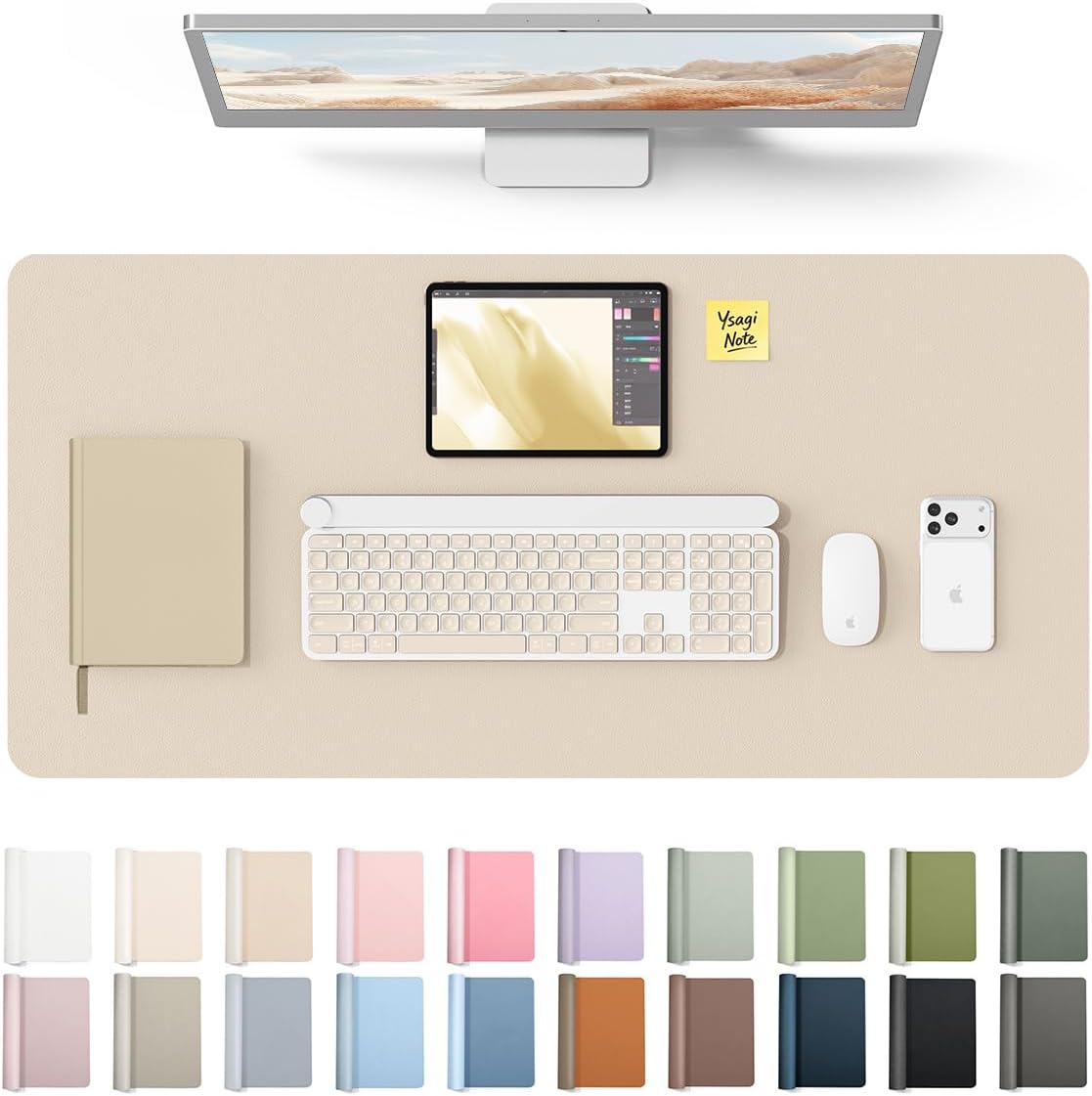
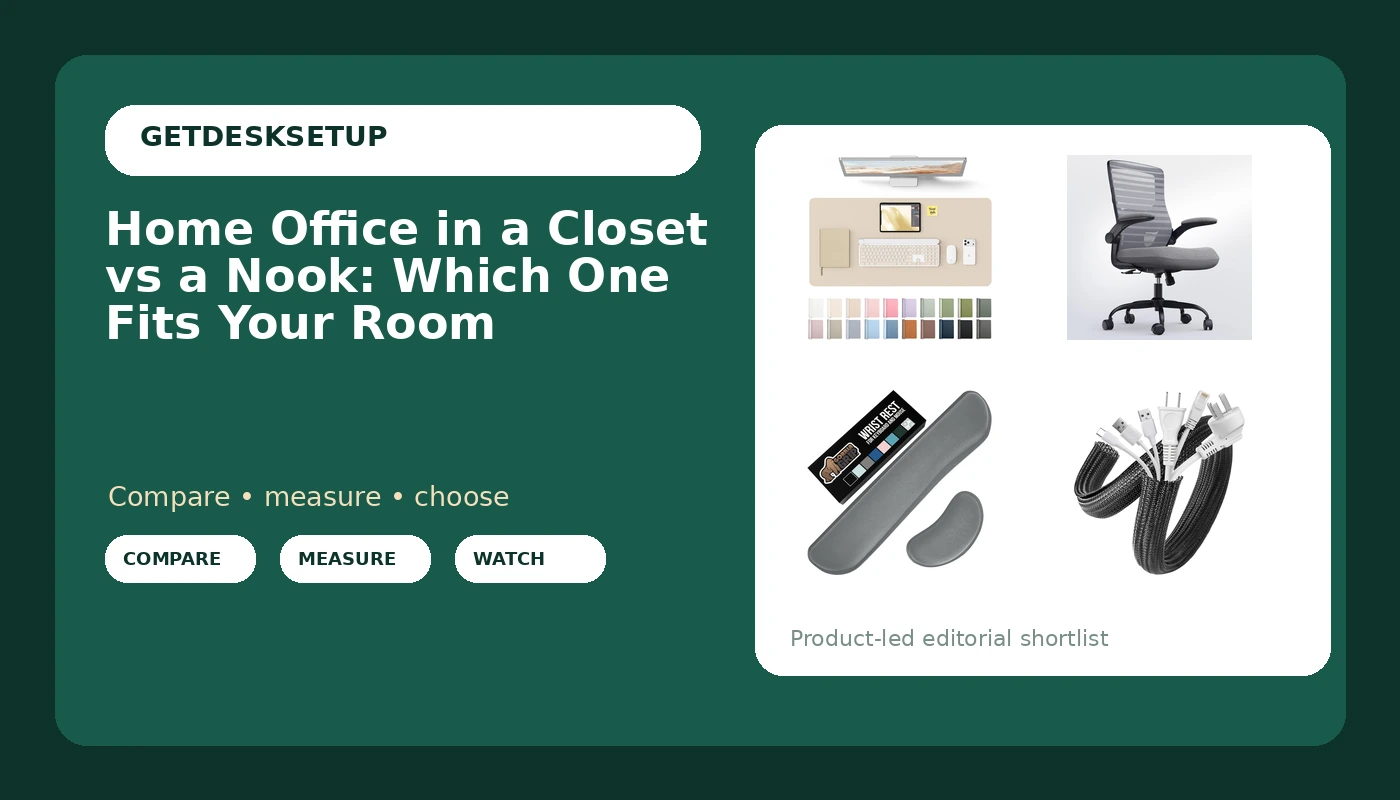
YSAGi Leather Desk Pad Protector, 31.5" x 15.8"
31.5 by 15.8 inches covers a keyboard and mouse on a 48-inch desk, waterproof top
No stitched edge, and it overhangs a 30-inch desk
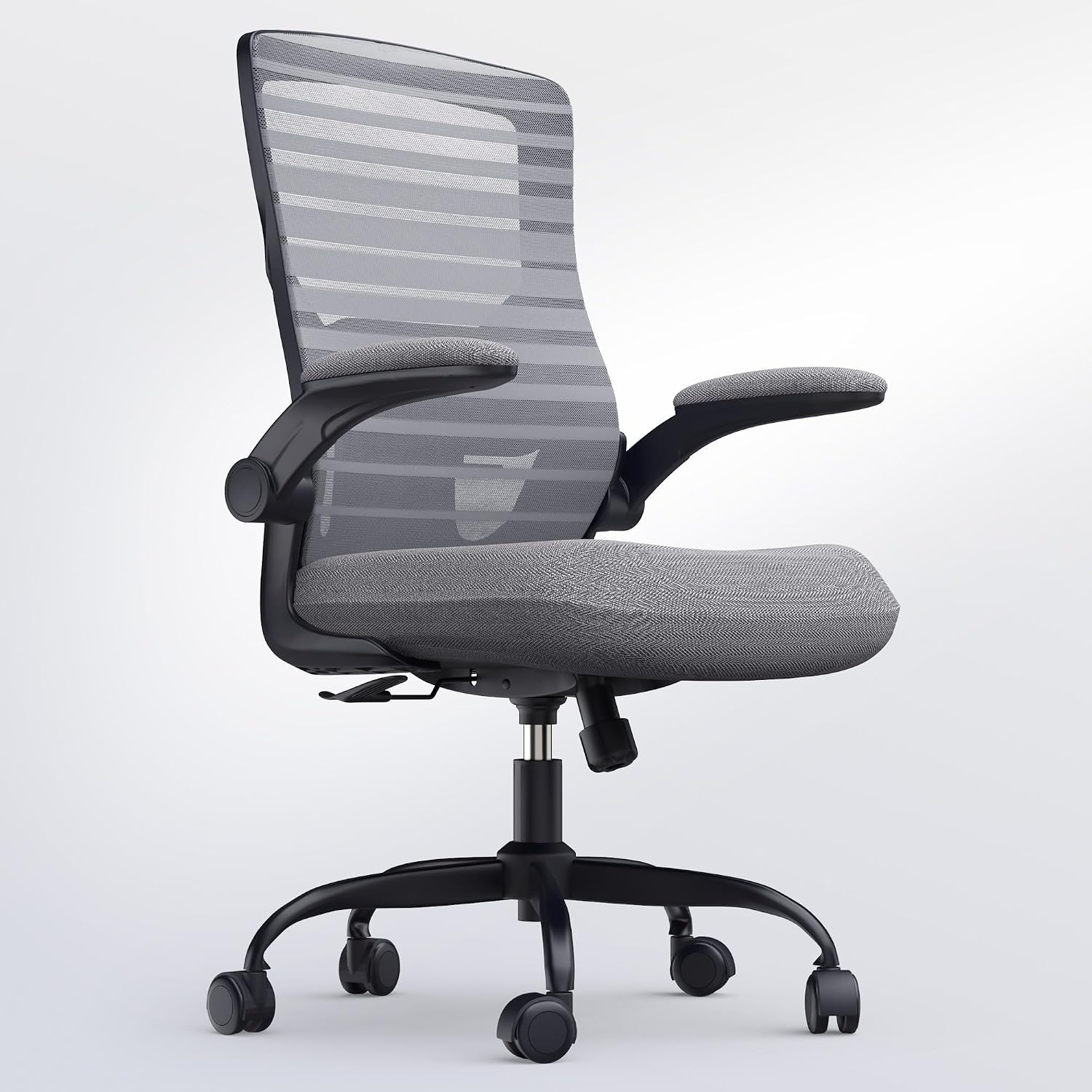
Ergonomic Office Chair for Long Hours, 4" Molded Foam Cushion, 350 LBS
Publishes a 350 lb capacity and a 4-inch molded foam cushion, the only chair pairing pick here
No published seat depth or height range, so measure yourself before ordering
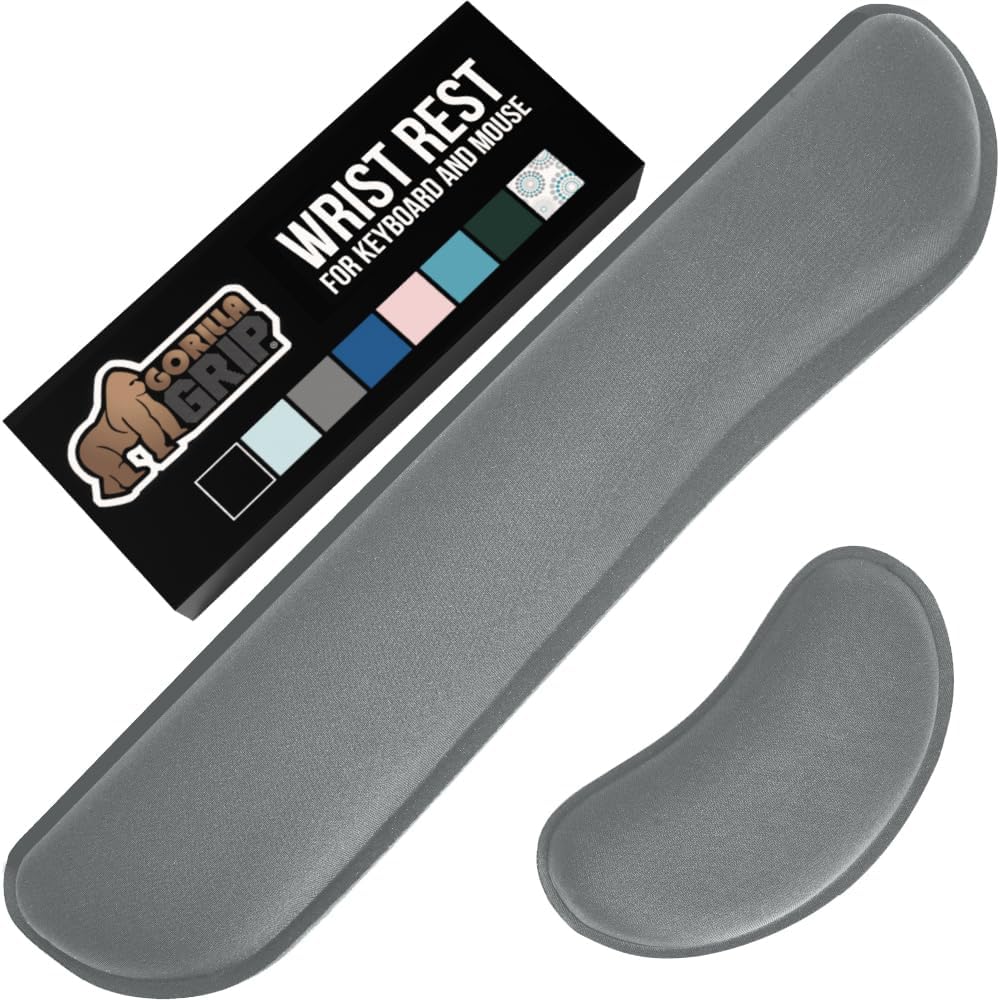
GORILLA GRIP Memory Foam Wrist Rest, 2 Piece Gray
Two pieces cover keyboard and mouse in a shallow room where both hands land on the desk edge
Memory foam holds heat, and a closed closet gets clammy by the afternoon
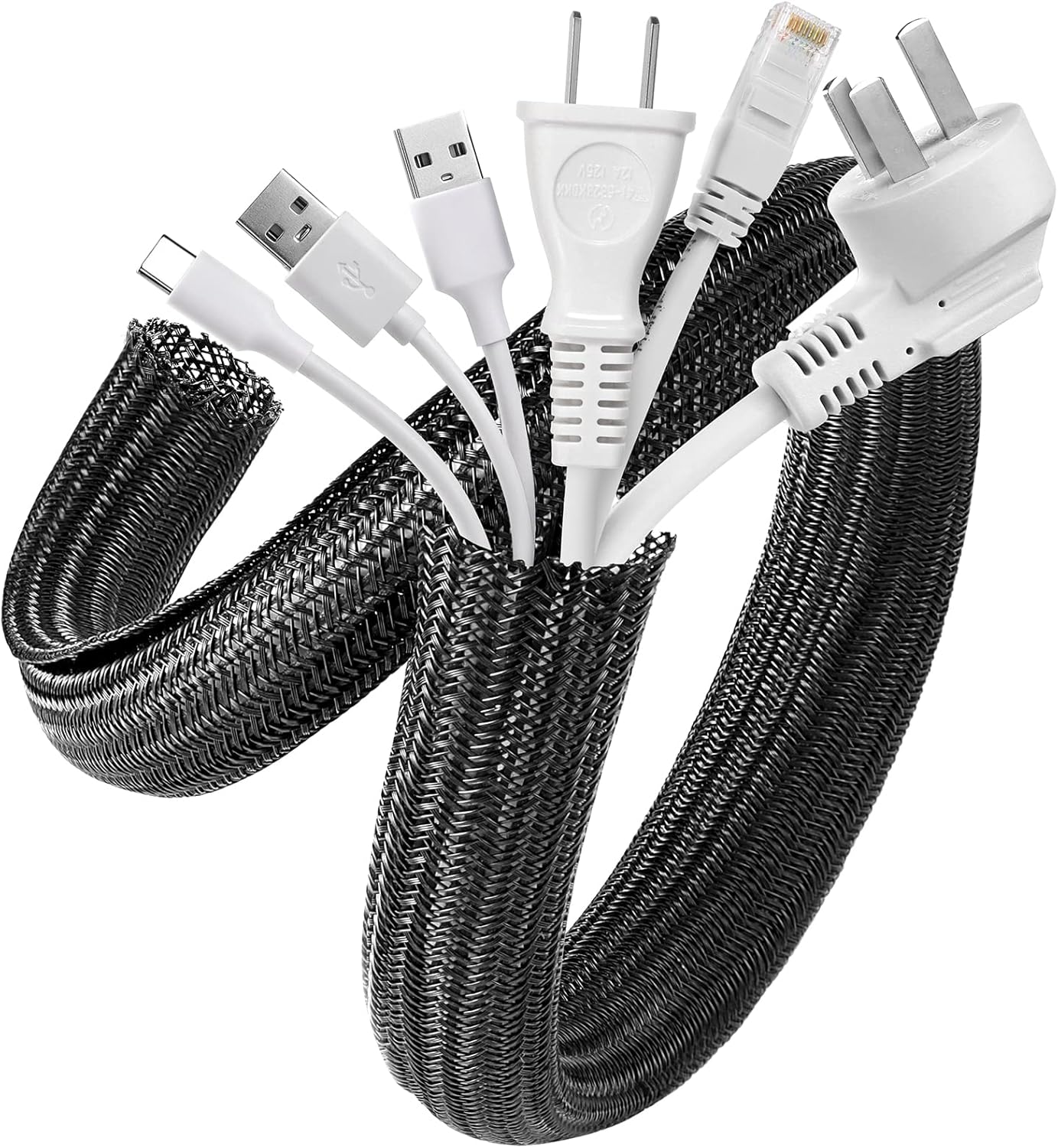
AGPTEK Cable Management Sleeve, 2 Pack 5ft, 1.2 Inch Cord Hider
Two 5 ft sleeves at 1.2 inch diameter handle the desk run and the run to the outlet
Zippered design means adding one cable later means redoing the whole run
Prices and availability may change.
What the measurements say about a home office in a closet vs a nook
When a client asks me to weigh a nook vs home office in a closet, I start with the same three numbers, and none of them is square footage. The first is depth, because depth sets monitor distance. The second is the width of the opening, because that sets how wide a desk you can carry in and how far a chair can roll back. The third is the distance from where the chair sits to the nearest power outlet, because a closet with one outlet behind the desk changes the entire cable plan.
The difference between home office in a closet and a nook is not the size of the floor. It is the number of closed sides. A closet has three walls and a door, which is why it is quiet and why it is stuffy. A nook has two or three walls and one open side, which is why it breathes and why you hear the dishwasher. Depth decides the home office in a closet vs a nook question before width does, so measure it first and write the number down.
Here is the order I check things in, and it holds for both rooms:
- Depth: 24 inches is my floor. Under 24 inches the desk is shallow enough that a monitor ends up closer than I am willing to sit for eight hours, and your knees lose the space under the desk.
- Desk width: 36 inches is a laptop-only desk. 48 inches is the number where a keyboard, a mouse, and a 27-inch monitor fit without the mouse hanging off the edge.
- Door swing: a bifold door needs its own arc. Measure that arc before you buy a chair, not after.
- Power outlet: count them. If there is one and it sits behind the desk, you need a plan before the desk goes against the wall.
- Air: can you leave the door open, or add a fan? If the answer is no to both, a closet build is a summer problem you have not met yet.
That is the whole framework. Everything else is furniture.
Closet builds: quiet, hot, and short on outlets
The closet's selling point is that the door closes. If your calls are the loud part of your day, three walls and a door do more for you than any acoustic panel. I have set up closets where the person could take a 9 a.m. call while a kitchen remodel ran on the other side of the wall.
Then come the costs, in the order they usually bite.
Ventilation first. A closet with the door shut, one person, and a monitor is a warm box. It is not dangerous, it is just uncomfortable by hour three, and the fix is often free: leave the door open, or hold it cracked with a wedge. If the closet has no door you can leave open, plan for a small fan and a place to plug it in. This is the most common thing people forget, and it is why a closet setup that felt fine in October feels wrong in July.
Power outlet second. Reach-in closets usually have one outlet, and it is often on the back wall, which is exactly where the desk wants to go. Your options are a flat plug, a short low-profile extension cord, or a desk that stands off the wall by three inches so the plug has room. Decide this before you place the desk, because dragging a loaded desk is how desktops get scratched.
Lighting layers third. A closet has no window, so you need all three layers: something overhead, a task light aimed at the desk, and a low light behind the monitor so your eyes are not comparing a bright screen to a black wall. The third one is the layer people skip and the one that matters most at night.
Room layout fourth. In a closet the layout is decided for you. The desk faces the back wall. What you control is height and depth: how deep the desktop is, and how high it sits. This is the part of home office in a closet vs a nook that people get wrong. The closet is not quieter because it is small. It is quieter because it is closed, and closed is also why it is warm.
Nook builds: light and air, with no door to close
A nook trades privacy for everything else. If the space is an alcove off a hallway or the end of a landing, you get ambient light from the rest of the house, airflow from the open side, and more width than a reach-in closet will ever give you. You also get foot traffic, noise, and whatever the household is doing at 4 p.m.
The two things I check in a nook are monitor distance and glare. Because a nook is usually wider than it is deep, you can angle the desk or turn it sideways and buy monitor distance that a closet cannot offer. That is the biggest practical advantage, and it is worth more than the extra storage a closet gives you.
Glare is the catch. A nook with a window or a bright hallway opposite the desk puts a light source beside or behind the screen all day. Lighting layers fix it: a task light you can aim, a shade you can pull, and a bias light behind the monitor. If you cannot control the light at all, a nook is a worse room than a closet for screen work, no matter how much nicer it looks from the doorway.
Then there is the outlet problem again, only worse. Nooks are often an afterthought in the floor plan, which means zero outlets, or one that now sits behind a console table. Run the numbers before you commit: how far is the nearest outlet, and does the cord cross a walking path? If it does, cable planning is not optional, it is the first purchase.
Desk height and chair pairing in a small footprint
In a small room, desk height and chair pairing stop being separate decisions. In a big office you can fix a chair that sits too low with a footrest, and a desk that sits too high with a keyboard tray. In a 24-inch-deep closet you have room for neither, so the two have to match on the first try.
Desk height: measure your seated elbow height with your feet flat and your shoulders relaxed. The desktop should land at or just under that number. If you are buying a fixed desk, that is the only number that matters. If you are building a desk into a closet on a shelf and brackets, build it to your elbow height, not to the height of the shelf that was already there.
Chair pairing: the chair has to roll back to let you stand up, and in a closet the door frame is usually where that roll ends. Measure the depth from the wall to the door frame. Then look at the chair's published base size and caster diameter, not its color. A wide five-star base in a 24-inch closet will not roll, which means you will swivel to get out, and swiveling out of a chair with fixed armrests is how monitors get knocked.
Related: How to Measure Seat Depth Before You Buy a Chair
The sitting rules do not change with the room: feet flat, knees at or slightly below hip height, elbows at 90 degrees or a touch more, top of the monitor at or slightly below eye level. If you cannot get all four of those in the room you have, the room is the problem, not the chair.
The four pieces, and where each one earns its place
YSAGi Leather Desk Pad Protector, 31.5 by 15.8 inches
The surface in a closet build is usually whatever the shelf was: painted particle board, a butcher block offcut, or a laminate counter remnant. All three are fine to work on and all three show every mug ring. The YSAGi leather desk pad protector measures 31.5 by 15.8 inches, which covers a full-size keyboard and a mouse with a few inches left for a notebook, and it is the one piece here that behaves the same in both rooms. The waterproof top matters more in a closet than in a nook, because a closet desk usually sits under a shelf, and shelves collect coffee.
What it does not do: it is a desk pad, not a mouse pad. If you want stitched edges and a firm glide, this is not that. On a 30-inch desk it will hang over the sides, so check your width before you order. Check current Amazon price on the product page.
Ergonomic Office Chair for Long Hours, 4-Inch Molded Foam Cushion, 350 LBS
The published numbers are a 4-inch molded foam cushion and a 350 lb weight capacity. Those are the two specs the listing commits to, and the second one is unusual in this range, which tells me the frame and the gas lift are built for a heavier user than the average budget chair. What the listing does not publish is a seat depth or a height range, and I will not call a chair a fit without a seat depth. So do the two-finger test before you order: sit all the way back, and if you can fit more than two fingers between the back of your knee and the front edge of the seat, the seat is too deep for you. Ergonomic office chair for long hours.
In a closet, the base is what decides whether this works. Measure wall to door frame, then compare that against the base. If you cannot roll back, you will be swiveling out of it, which is survivable as long as the monitor is not in the swing path. Skip this one if you need a chair that tucks fully under a 24-inch desk, because a thick molded cushion raises the seat and the armrests are usually what hit the desktop first.
GORILLA GRIP Memory Foam Wrist Rest, 2 Piece Gray
Two pieces is the point. A keyboard rest alone does not help when your mouse hand lands on the same hard edge, and in a shallow room both hands end up at the desk edge because the desk is only as deep as the closet allows. The GORILLA GRIP memory foam wrist rest covers both. Memory foam also holds heat, which is the trade you make for the softness: in a closed closet with the door shut, expect the surface to feel warm by the afternoon. In a nook with airflow, that is a non-issue.
One setup note people get backwards: set the wrist rest first, then your chair height, then the monitor. The rest raises your hands by roughly an inch, which changes your elbow angle, and if you set the chair first you will spend a week feeling like the desk moved on its own.
AGPTEK Cable Management Sleeve, 2 Pack 5ft, 1.2 Inch Cord Hider
Two sleeves, 5 feet each, 1.2 inches of internal diameter. That is enough for a power brick, a monitor cable, and a couple of USB runs in one sleeve, with the second left for the run from the desk to the outlet. In a closet this matters more than in a nook because the door closes on the cable path. Route the AGPTEK cable management sleeve down the hinge side, and leave a service loop at the door so the run is never under tension when the door swings.
In a nook, the same sleeve runs along the baseboard to the outlet and hides a cord that would otherwise cross the room. The honest downside: a zippered sleeve is a decision, not a habit. Adding one cable means unzipping the entire run, so leave 20 percent slack inside the sleeve the first time and you will not have to redo it.
Who should skip which build
Skip the closet if any of these is true:
- The depth is under 24 inches. Your monitor distance will be too short and your knees will hit the wall.
- There is no outlet you can reach without running a cord under the desk where your feet go.
- You cannot leave the door open and you take more than four hours of calls a day. The room will run warm and there is no cheap fix.
- You are sharing the closet with coats. Half a closet is not an office, it is a shelf with a chair.
Skip the nook if any of these is true:
- The only outlet is across a walking path.
- A window or a bright hallway sits directly behind where the screen has to go and you cannot shade it.
- The nook is a pass-through and your calls need quiet. Two walls and an open side do not stop sound, they redirect it.
If neither room passes, the honest answer is a desk in the corner of a bedroom with a divider, and no amount of cable sleeves fixes a room that is the wrong shape.
What I would do first
- Measure depth, width, and outlet distance. Write the three numbers down.
- Set desk height from your seated elbow height, not from a spec sheet.
- Buy the chair before the accessories if you only have budget for one thing, because chair pairing is the part you cannot patch later.
- Buy the cable sleeve and the desk pad in the same order, since both are cheap and both are decided by the room's dimensions.
- Live with the setup for a week with the door in the position you will actually use before you drill anything into a wall.
Whether you are building home office in a closet or a nook, the order does not change: measure, then desk height, then chair, then cable planning, then the small stuff. The home office in a closet vs a nook decision comes down to three numbers you can fit on an index card, and the room that passes all three is the room you should build in.