The problem with office chair sizing for pregnant users is that the body you are sizing for changes every few weeks. A chair that fit in the first trimester can be the wrong chair by the third, and not because anything broke. Seat depth that felt neutral starts pressing behind the knee once your pelvis tilts. A fixed lumbar curve that used to land at your belt line now sits too low. Armrests that cleared your thighs now compete with a belly that has nowhere to go. The goal is not one perfect chair. It is a chair with enough adjustment range to follow you through the change, plus a desk height that still lets your elbows rest near 90 degrees. This guide covers the measurements in the order they stop working.
Related: How to set seat depth on a mesh office chair →
Quick answer
Office chair sizing for pregnant users explained in one line: you want a seat height that keeps both feet flat, a seat depth short enough to leave two or three fingers of clearance behind the knee, a lumbar support you can raise as your posture changes, and a recline with adjustable tilt tension so leaning back does not turn into a fight with the chair.
No single setting survives nine months. Range is what you are buying. A chair with a fixed lumbar pad, a fixed seat pan, and one recline angle gives you exactly one fit, and that fit expires. A chair with adjustable lumbar support, flip-up or height-adjustable armrests, and a recline that locks at more than one angle gives you something you can re-tune every few weeks.
Measure yourself first. Buy second.
Four useful options
| Model | Best fit | What stands out |
|---|---|---|
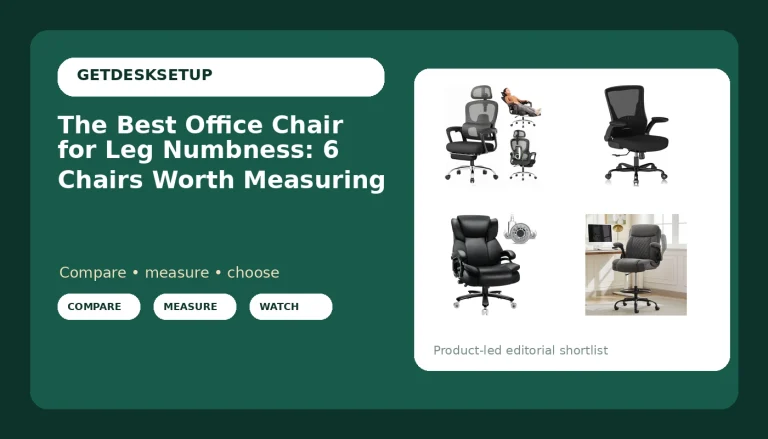
| Dowinx Big and Tall Office Chair, Pink | Reclining to take load off your lower back in the later months | High back with a recline and a built-in foot rest, thick teddy fleece cushion, wide seat |
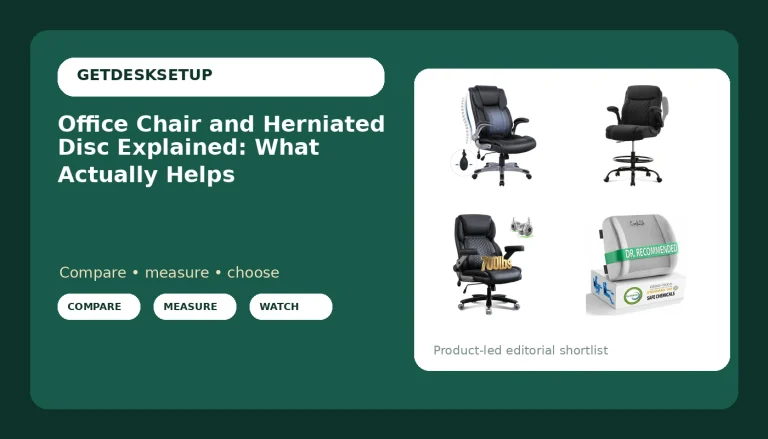
| Big and Tall Office Chair 400lbs Wide Seat, Black | Buyers who need a stated 400 lb capacity on a tight budget | 400 lb capacity stated in the listing, mesh back with lumbar support, adjustable arms |
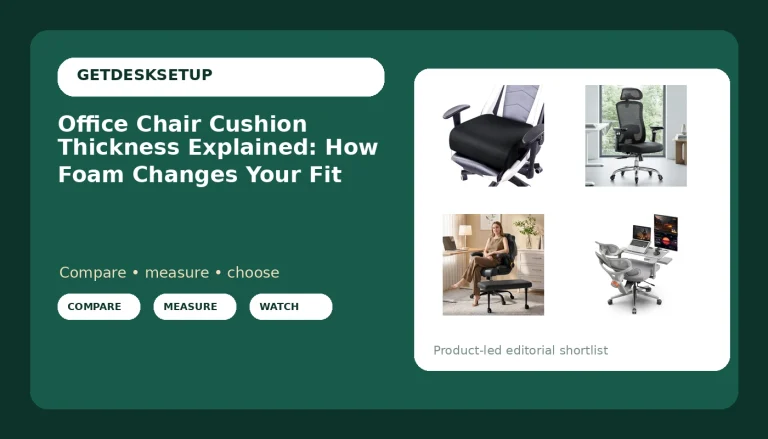
| ELABEST X100 Ergonomic Mesh Office Chair, Tangerine Burst | Buyers who want the most adjustment points to re-tune month to month | 5D flip-up arms, adjustable 3D lumbar support, mesh back, footrest |
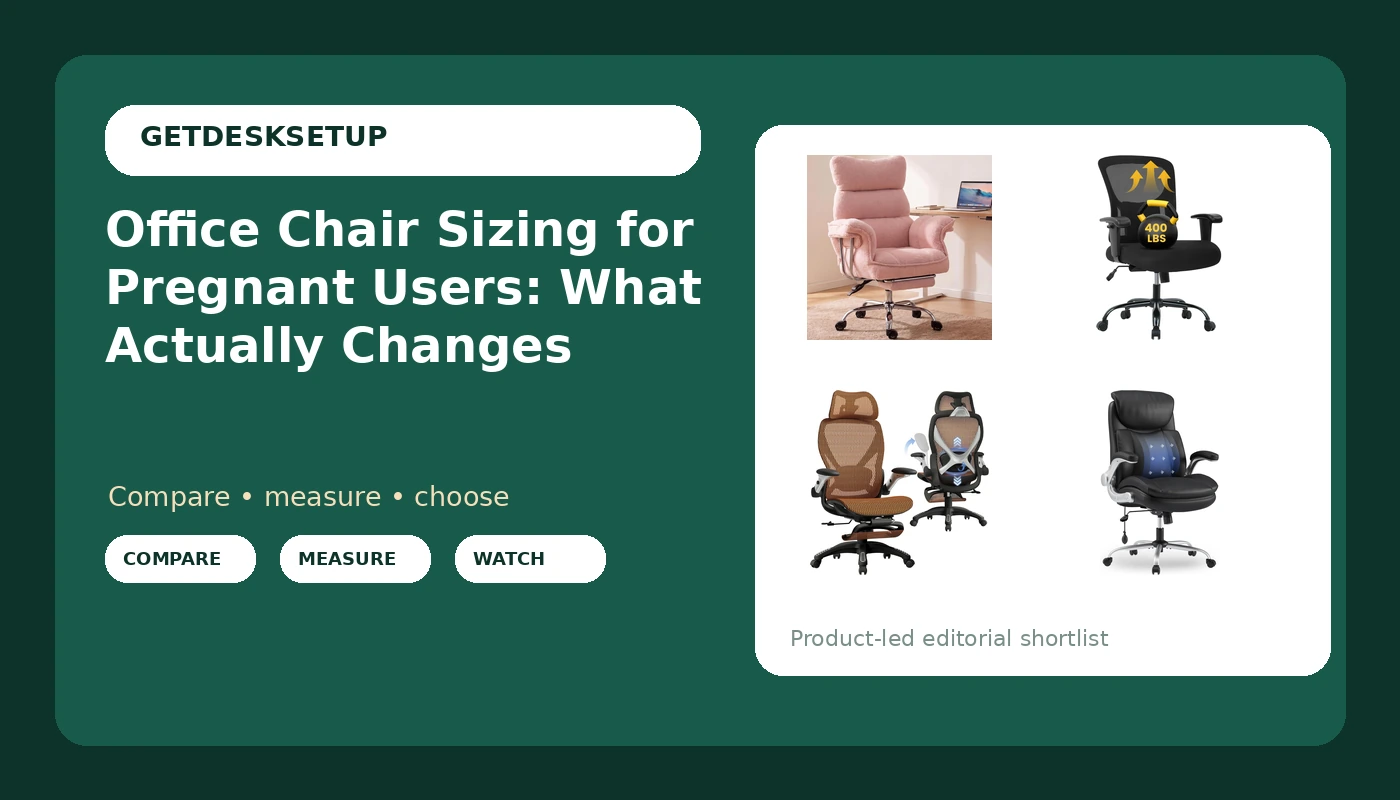
| MALOL Office Chair Big and Tall, Black | Padded seat support with flip-up arms for getting in and out | Padded flip-up arms, adjustable lumbar support, wide and thick seat, high back |
The recline and footrest pick: Dowinx Big and Tall Office Chair
Recline matters more than most people expect. As the belly grows, weight moves forward and the lumbar curve flattens. Leaning back a few degrees at intervals takes load off the lower back and off the sit bones, and a foot rest makes that position sustainable because your feet stop dangling. The trade-off is floor space: a chair that reclines and extends a foot rest needs clearance behind it, and the seat pan on a big-and-tall chair runs deep. If your buttock-to-knee measurement is on the short side, a deep pan pushes you forward until your back leaves the backrest, which defeats the lumbar support entirely. Measure that number before you commit to any big-and-tall chair, this one included.
The stated 400 lb capacity pick: Big and Tall Office Chair 400lbs Wide Seat
A capacity number is the first thing to check, because a gas lift rated below your current weight will sink over the course of a day and your seat height will drift while you work. Mesh also breathes, which matters when your body runs warm, and adjustable armrests let you drop them low enough to clear both your thighs and the desk edge. Task chair sizing for pregnant users adds one more variable here: this is a smaller-footprint chair than a recliner, so it tucks closer to the desk. The trade-offs are real. There is no footrest, the recline is limited, and mesh offers less cushioning under the sit bones on a long day. Skip it if you want a deep recline.
The adjustment-heavy mesh pick: ELABEST X100 Ergonomic Mesh Office Chair
Ergonomic chair sizing for pregnant users comes down to how many times you can change the fit without changing the chair, and this is the option with the most levers. Flip-up armrests solve a specific problem: you can fold them up, roll close to the desk with a belly in the way, and still get your forearms supported when you need them. An adjustable 3D lumbar support can be raised as your lower back flattens, and pushed in or out as your preferred sitting depth changes. The cost of all that adjustment is setup time, and a mesh seat gives you less padding than the padded options here. This is also the highest-priced chair of the four, so it makes sense if you plan to keep using it after pregnancy rather than buying twice.
The padded seat pick: MALOL Office Chair Big and Tall
Padding is not decoration. When you sit for longer stretches, pressure builds under the sit bones, and a thicker seat spreads that load over a wider area. The flip-up arms matter for a different reason: late in pregnancy you stand up far more often, and arms that fold back let you exit sideways or forward without twisting. Adjustable lumbar support gives you the same re-tuning ability as the mesh options, and the high back covers more of your upper spine. What you give up is airflow. A thick padded seat and a padded back run warmer than mesh, there is no footrest, and the executive frame is bulkier behind you. If you run hot or work in a small room, weigh that against the cushioning.
Prices and availability may change. Product images, names, and retailer links are matched to verified listings. No current price, rating, stock status, or measured result is stated here without current evidence.
How office chair sizing for pregnant users changes month by month
The first trimester is usually the quiet one. You may not need a new chair at all yet, but fatigue and nausea make long unbroken sitting harder, and a recline that lets you lean back for a few minutes is worth having. If your current chair locks at one angle with heavy tilt tension, this is the stage to loosen it.
The second trimester is when distance to the desk starts changing. Your belly adds depth between your hips and the desk edge, so the same armrest height that worked before now presses into your forearms, and the same seat depth now feels like it is pushing you forward. Lower the armrests or flip them up, and check whether your back is still touching the backrest. If it is not, the seat pan is too deep for your current body, and a rolled towel or a lumbar cushion behind you is the temporary fix.
The third trimester is about getting up and about center of gravity. Your weight sits further forward, which makes the chair feel like it wants to tip as you rise, and swelling in the feet makes flat foot support non-negotiable. This is also when a headrest earns its place: it should support the base of your neck, not push your head forward. Throughout all three stages, relaxin loosens your joints, so a chair that springs you backward when you lean is the wrong chair. Tilt tension should let the back move with you, not against you.
Measure yourself before you buy
Desk chair sizing for pregnant users is a measurement problem, not a brand problem. Get a tape measure and a wall, and take five numbers. Re-take them at the start of each trimester, because the numbers you care about will move.
- Popliteal height: stand barefoot and measure from the floor to the crease behind your knee. Your seat height target is at or just below that number.
- Buttock-to-knee length: sit against a wall and measure from the wall to the back of your knee. Subtract two to three inches, and that is your seat depth target.
- Hip width: measure the widest point of your hips while seated. The seat should be wider than that number, with room for a changing silhouette.
- Lumbar height: measure from the floor to the natural inward curve of your lower back while sitting tall. The lumbar support has to be adjustable enough to reach it.
- Desk clearance: check your thigh height and belly depth against the underside of the desk, because a seat height that fixes your knees can still leave you unable to get close enough to type.
If a chair's listed range does not cover those numbers, it is the wrong chair no matter how good the reviews are.
Practical adjustments as your body changes
- Drop the armrests or flip them up so they clear your thighs and the desk edge, then reset them once you are sitting.
- Use a lumbar cushion or rolled towel to shorten an over-deep seat pan instead of sliding forward all day.
- Loosen tilt tension so the recline follows your weight rather than springing you upright.
- Add a footrest if your feet stop reaching the floor comfortably at a height that keeps your elbows level with the desk.
- Check that the casters roll freely on your floor, so pushing back from the desk does not mean twisting your spine.
Which option should you choose?
Choose the Dowinx Big and Tall Office Chair, Ergonomic Desk Chair with Thick Cushion, Wide Seat & Armrests Computer Gaming Chair, High Back Reclining Teddy Fleece Criss Cross Chair with Foot Rest, Pink when you want to recline with your feet up and prefer a soft, wide seat over airflow. Choose the Big and Tall Office Chair 400lbs Wide Seat Desk Chair Computer Chair with Lumbar Support Adjustable Arms Task Rolling Swivel Mesh Executive High Back Ergonomic Chair for Adults Women, Black when you need a stated 400 lb capacity, a breathable mesh back, and the lowest spend in this group. Choose the ELABEST X100 Ergonomic Mesh Office Chair with Footrest, Big and Tall Home Desk Chair with 5D Flip-Up Arms, Adjustable 3D Lumbar Support, Gaming & Executive Computer Chair (Tangerine Burst) when you want the most adjustment points, including 5D flip-up arms and adjustable 3D lumbar support, and you plan to keep the chair long term. Choose the MALOL Office Chair Big and Tall- High Back Executive Office Chair- Ergonomic Home Computer Desk Chair with Padded Flip-up Arms, Adjustable Lumbar Support, Wide & Thick Seat for Adult-Black when you want a thick padded seat, a high back, and flip-up arms for easier exits.
One caveat applies to all four. These listings do not state a seat height range or a seat depth in inches, so match the numbers you measured against the current listing details before you order, and skip any chair whose stated range does not cover you. Nothing here is medical advice; if you have pelvic pain, sciatica, or a condition that changes how you sit, talk to your provider about positioning before you spend money on furniture.
The bottom line
Office chair sizing for pregnant users is not a one-time decision, and that is the whole point. You are not shopping for the chair that fits you today. You are shopping for a seat height, a seat depth, an adjustable lumbar support, a set of armrests, and a recline with usable tilt tension that can all be re-set as your measurements change. Every chair in this group offers some of that range: a footrest and a deep recline, a stated 400 lb capacity on a mesh back, the most adjustment points of the four, or a wide padded seat with flip-up arms. Pick the one whose adjustments match the numbers you measured, verify the current listing before you buy, and re-measure in a few months rather than assuming the fit will hold.