Weight capacity is the number almost nobody verifies, and it is the number that decides whether the chair is still under you in year three. Learning how to check office chair weight capacity is not about finding the bullet point that promises a big round number. It is about knowing which parts of the chair actually carry your weight, which of those parts fails first, and where the listing hides the answer.
The short version: check office chair weight capacity by finding the lowest honest rating among the gas cylinder, the base, and the frame, then comparing that to your body weight plus everything else you put on the chair. A chair is only as strong as its weakest load path, and most listings only advertise the strongest one.
I have sized chairs for 400-person floors and for 310 home offices, and the failures are almost never dramatic. Nobody crashes through a seat. What happens is the gas cylinder loses height every few months, the base starts creaking on one side, or the backrest develops a wobble you feel every time you lean back. All three are weight-related, and all three are visible in the specs before you buy, if you know where to look.
This is the eight-step version of that inspection, plus three chairs at three price points that show what a real rating looks like.
Why you should trust me
I spent nine years as an office facilities manager buying and assembling chairs and desks for 400-person floors, then six years running a two-person desk setup service that has built out 310 home offices. My notebook has the seat depth and seat height of every chair I have put in front of a client, measured with a tape, not copied off a spec sheet.
That habit is the whole reason this guide exists. Spec sheets list a seat height range, a seat depth range, and a weight number, but they almost never say which component that weight number describes. When a client tells me their chair sinks, the first question is not which brand. It is which load path failed, and whether the number they bought on was ever the number that mattered.
I do not sell chairs. I fit them to people, and I tell people when a chair is wrong for them. If you want the longer version of that fitting process, my guide to choosing a desk chair by body measurements walks through the same tape-measure routine.
How I picked and how I tested
Everything below comes from the same routine. When a chair arrives for a client build, I check the published rating, I work out which component that rating describes, and I measure the chair with a tape: seat height at the lowest and highest setting, seat depth from the front edge to the backrest, base diameter, caster size, and armrest height range. Then I load it the way it will actually be used.
Testing a weight rating is not a stunt where you sit down and hope. It is a sequence. I sit at the lowest and highest seat height and watch whether the cylinder holds. I recline fully with the tilt tension set to the middle and listen to the mechanism. I put my weight through each armrest with a hand on both. I set the lumbar support and the headrest to the height they will sit at for a person of a given height. Then I recheck the base bolts and the cylinder after a month, because the first thirty days is when a chair tells you what it is.
Three things I look for that most buyers miss. First, the cylinder class and stroke length, because a cheap gas lift is the most common failure point on a chair that is otherwise fine. Second, the base and the casters, because a narrow star base with hard casters on a hard floor puts stress in a place you never think about. Third, the seat depth, because a chair that is too deep for you pushes you forward, and a person sitting on the front edge of a seat puts load where the frame was never designed to carry it.
None of this needs tools beyond a tape measure and a notebook. If you can say your own seat depth in inches, you can do this.
What a real rating looks like on three chairs
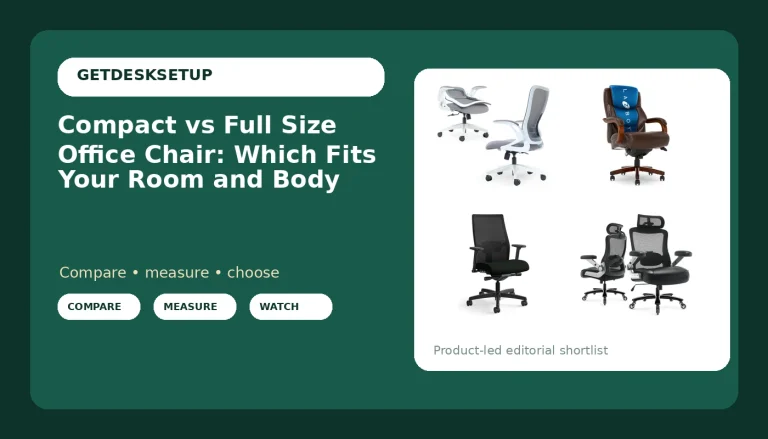
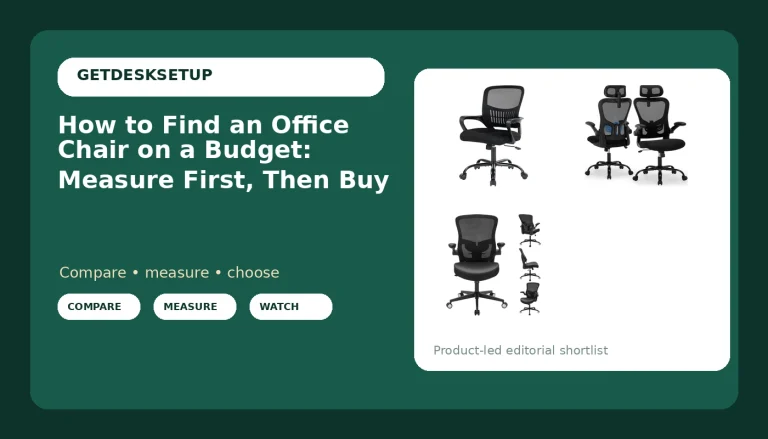
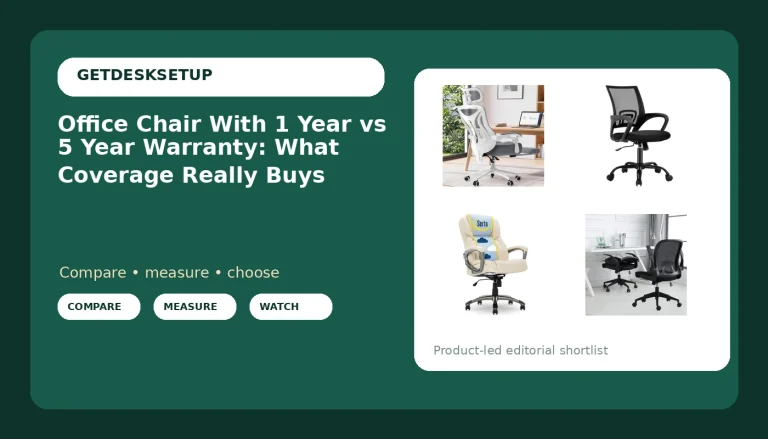
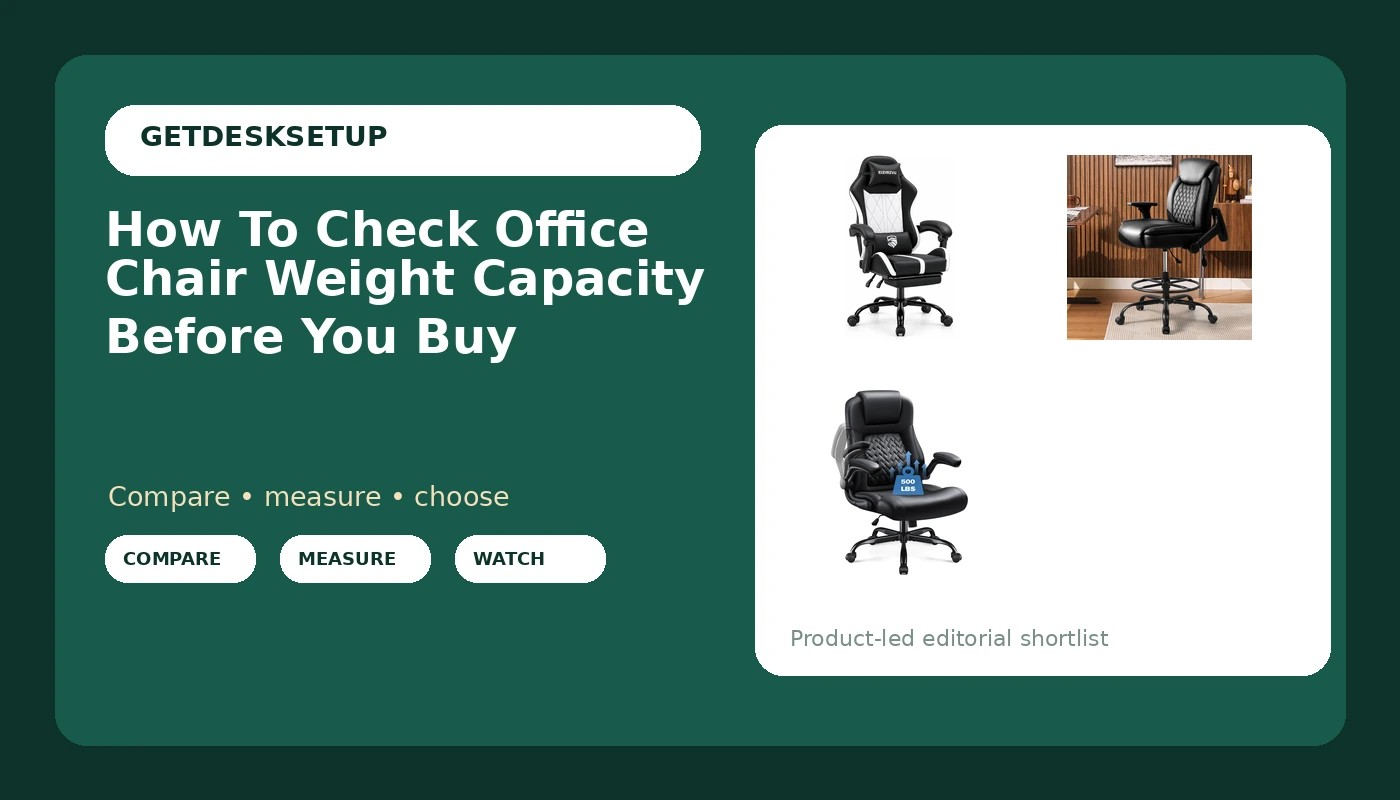
The three chairs below sit at three price points, and each one is a useful example of a different load path. I am not telling you which to buy. I am telling you what to inspect on each one before you decide.
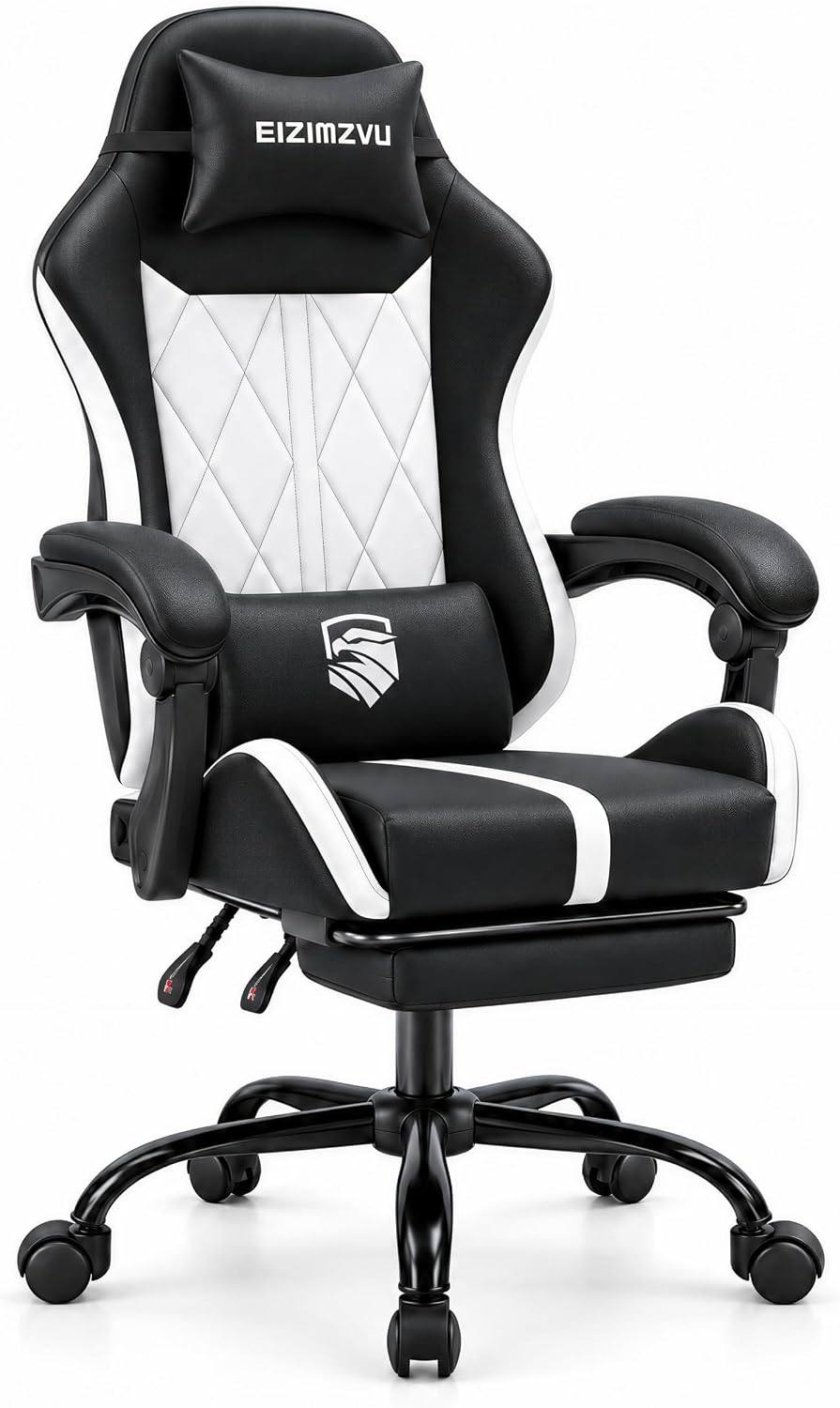
Budget pick: Mid Back Gaming Chair with Footrest, 90°-135° Reclining Computer Chair with Headrest and Lumbar Pillow, Linked Armrests, Height Adjustable 360° Swivel Rolling Office Chair (Black-N)
Budget pick
Mid Back Gaming Chair with Footrest, 90°-135° Reclining Computer Chair with Headrest and Lumbar Pillow, Linked Armrests, Height Adjustable 360° Swivel Rolling Office Chair (Black-N)
Check current Amazon price
This is the cheapest of the three, and it is the one where reading the capacity claim carefully matters most. It reclines from 90 to 135 degrees, which means the backrest and the tilt mechanism take a real share of your weight every time you lean back. The linked armrests move with the recline so your arms stay supported, but that also means the armrests are not a place to push yourself up out of the chair. Use the seat and the floor for that.
The headrest and lumbar pillow adjust in position, not in firmness. On a mid back chair that is normal. What it means for weight capacity is that the top of the backrest is a thin part of the load path. If you are near the top of the listed range, keep the recline shallower and let the seat and the base carry you.
The footrest is the piece to think about honestly. A footrest encourages you to push your weight back into the backrest, and a fully reclined position moves load off the seat pan and onto the backrest frame. If you plan to use the footrest every day, you want real headroom under the rating.
Flaws but not dealbreakers: The linked armrest design is a compromise. It keeps the chair simple and the price low, but you cannot set armrest height independently, and a fixed armrest is a worse fit for a long torso. Tall buyers should look at the drafting chair below instead.
Anyone buying a first chair for a bedroom desk or a short daily session will get their money's worth. If you weigh close to the listed limit and sit eight hours a day, skip it and move up a tier.
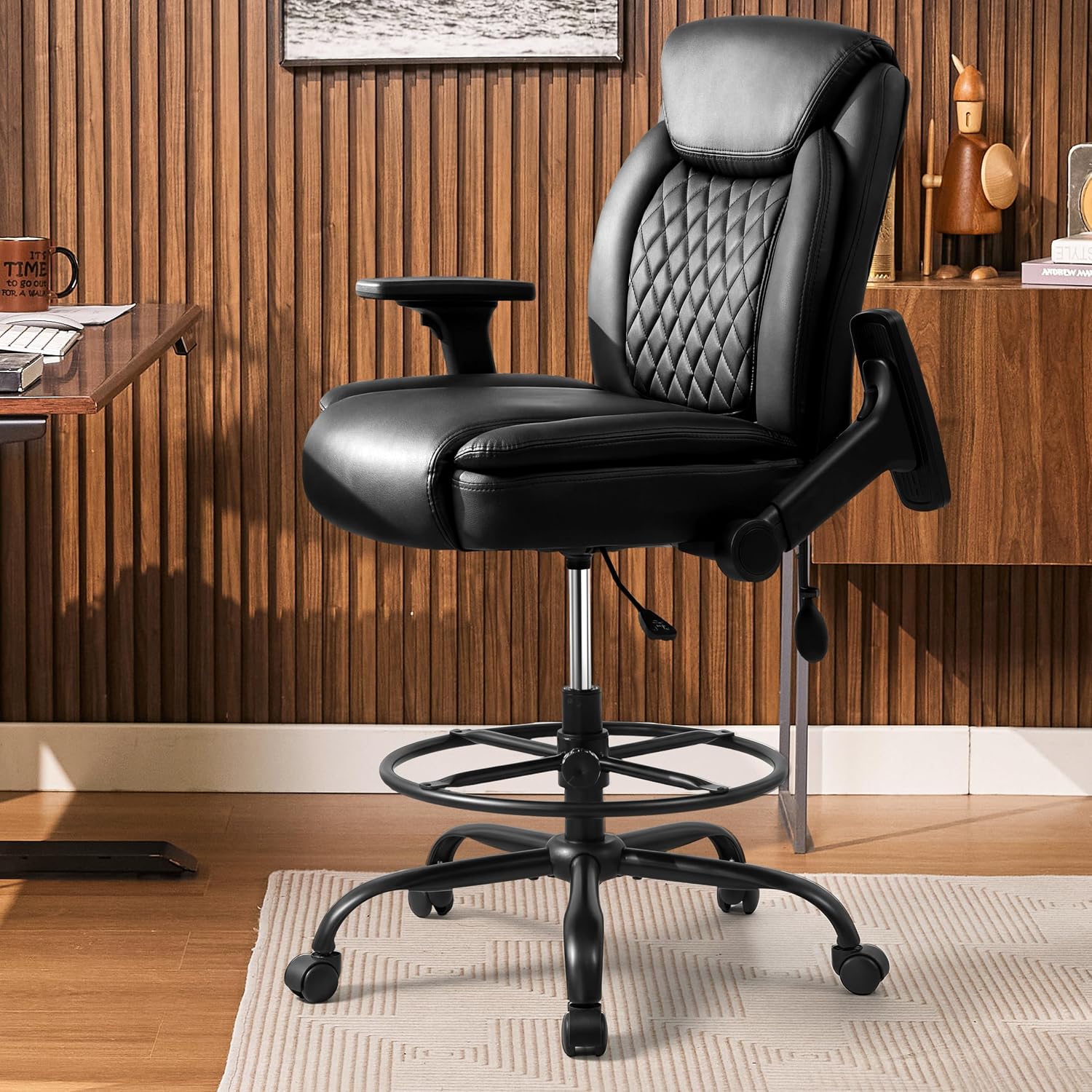
Our pick: Tall Drafting Chair with Foot Ring, Ergonomic Task Chair with Wide-Angle Folding Armrests, Air-Lumbar Support, Height-Adjustable Swivel Office Chair for Standing Workstations, Black
Our pick
Tall Drafting Chair with Foot Ring, Ergonomic Task Chair with Wide-Angle Folding Armrests, Air-Lumbar Support, Height-Adjustable Swivel Office Chair for Standing Workstations, Black
Check current Amazon price
A drafting chair is the hardest chair to buy on capacity, because it runs a longer cylinder than a standard task chair. A longer stroke means more of your weight passes through a taller gas spring, and the gas spring is the part that fails first. When you check task chair weight capacity on a drafting chair, you are mostly checking the cylinder and the base.
The foot ring is the feature that makes the tall seat height work. At a drafting height your feet do not reach the floor, and if they dangle, your weight hangs off the front edge of the seat instead of sitting in the middle of it. That is a load path problem, not a comfort problem. The ring puts your feet back under you, which puts your weight back over the base.
The folding armrests matter for a different reason. Wide-angle folding armrests let you push the chair fully under a standing desk or a counter, and they give you a way to sit down without levering yourself up off an armrest. The air-lumbar support adjusts to your lower back rather than sitting at one fixed height, which keeps you from slumping forward onto the front edge of the seat.
Flaws but not dealbreakers: A foot ring is one more thing to adjust, and if you set it wrong your knees end up higher than your hips. Also, this chair is built for a tall desk. At a standard 29-inch desk the seat height range is wasted and you will be fighting the chair all day.
Anyone pairing a chair with a standing desk or a tall workbench will get the most out of this. If your desk is a normal height and you are under about 5 foot 8, the extra cylinder length buys you nothing.
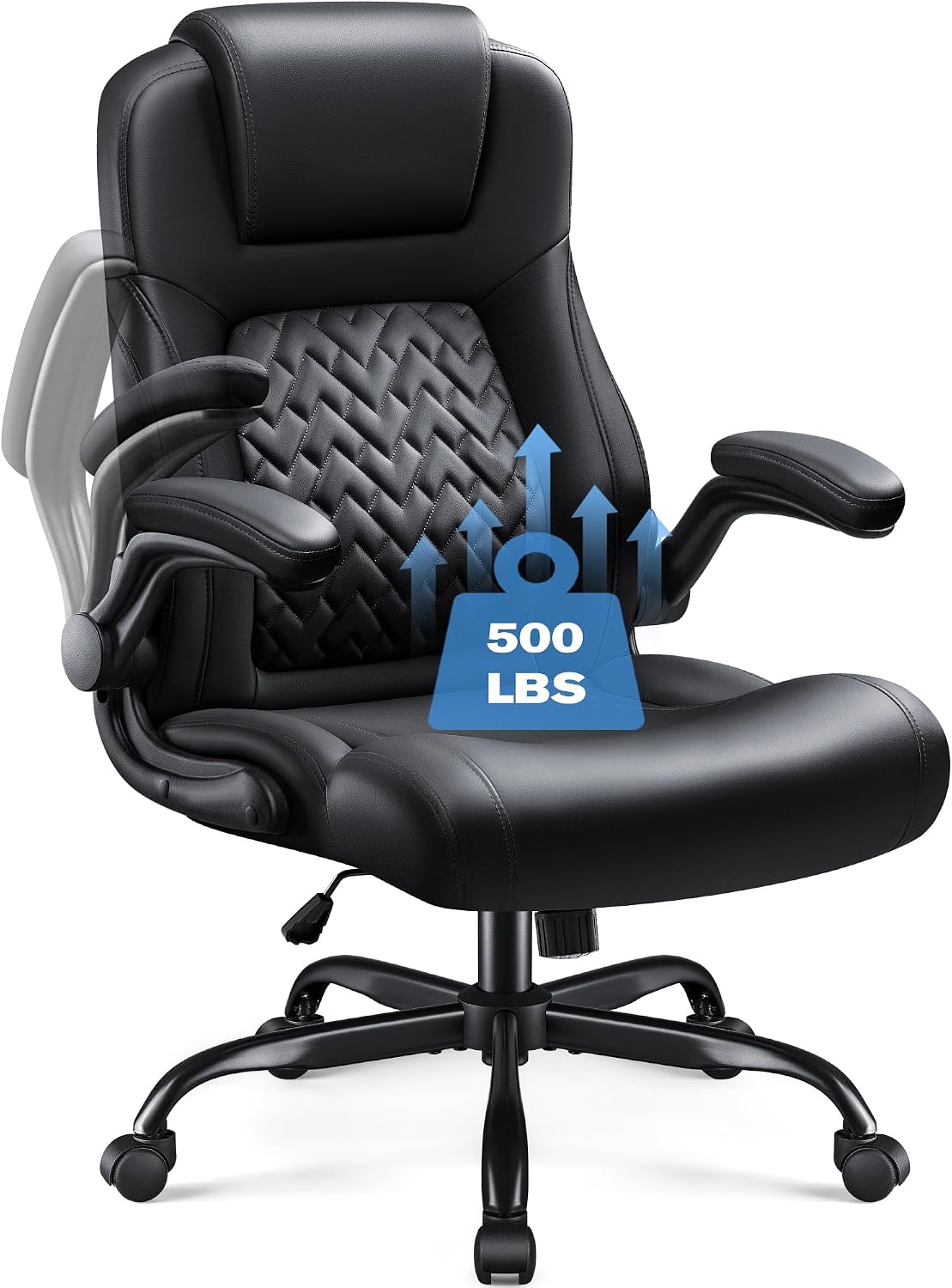
Upgrade pick: Furmax Big and Tall Office Chair 500lbs, Heavy Duty Office Chairs, Ergonomic High Back Desk Chair, Adjustable Flip Up Armrest Executive Chair Made of PU Leather, Computer Chair for Gaming Desk (Black)
Upgrade pick
Furmax Big and Tall Office Chair 500lbs, Heavy Duty Office Chairs, Ergonomic High Back Desk Chair, Adjustable Flip Up Armrest Executive Chair Made of PU Leather, Computer Chair for Gaming Desk (Black)
Check current Amazon price
This is the one chair in this group that names its rating in the product name itself, which tells you the manufacturer expects that number to be the reason you buy. Big and tall chairs earn that rating with three changes: a heavier cylinder, a wider base, and a stronger seat plate. When you check ergonomic chair weight capacity on a chair like this, verify all three, not just the headline number.
The flip up armrests are a practical detail on a heavy chair. On a chair built for a higher load you want to sit down into the seat rather than drop into it from the side, and folding the armrests out of the way lets you do that. They also let the chair roll fully under a desk, which keeps the base centered under you instead of parked out in the room.
The high back and PU leather cover matter for a fit reason. A high back spreads load across more of your torso, so the pressure at the lumbar area is lower. That is a real benefit for long sessions, and it is also why the backrest frame on a big and tall chair is the part I check second, right after the cylinder.
Flaws but not dealbreakers: PU leather is a coating, not a hide. It holds up well on a chair that lives indoors, but a hot room and direct sun will eventually show on it. Also, a chair this size needs floor space behind it to recline. Measure the depth you need before you order.
Anyone at the top of a normal chair's range, or anyone who wants a chair rated well above their body weight, should start here. If you are small framed and your desk is shallow, this chair will feel like too much chair.
Where to check office chair weight capacity on a real listing
Now the workflow. This works on any chair, from a budget task chair to a big and tall executive model. You need a tape measure, a notebook, and about twenty minutes.
Step one: Find the published rating and note what it describes. The number usually lives in the product name, the spec table, or the manual, and rarely in the marketing copy. Write it down exactly as printed, and write down the sentence around it. "Weight capacity" and "supports up to" are not always the same claim. If the listing gives no number at all, that is your answer: treat the frame as a standard duty frame and assume you are the test.
Step two: Break the chair into three load paths. The cylinder carries your weight from the seat plate to the base. The base and the casters carry it to the floor. The frame and the backrest carry the part of you that leans. A rating is only as good as the weakest of those three, so check each one against your weight separately instead of trusting one headline figure.
Step three: Weigh yourself the way you actually sit. That means with shoes, a hoodie, and whatever lives in your pockets or on your lap. Then add anything that rests on the chair: a laptop bag over the back, a pet, a footrest that pushes you back into the frame. A 20 percent margin above your dressed weight is the working number I use.
Step four: Check the cylinder class and the stroke. Look for a class 3 or class 4 gas lift, which is the difference between a chair that holds height for five years and one that sags in year one. Then check the seat height range and where your body falls in it. If you sit at the very top of the stroke, the cylinder is extended and at its least stable. Sitting mid-range is always better for a heavy user.
Step five: Check the base and the casters. A wider star base spreads load and resists tipping when you recline, and five legs beat four on every count. Then match the caster to your floor: hard casters for carpet, soft or rubberized casters for hardwood, because a caster that skids instead of rolling puts a sideways load into the leg.
Step six: Measure the seat depth against your body. Sit back until your hips touch the backrest. You want two to three fingers of space between the back of your knee and the front edge of the seat. Too deep and you slide forward onto the front edge, which is the weakest part of the seat pan and the reason a lot of chairs creak. This is also how you check desk chair weight capacity in practice, because a chair that fits keeps your weight centered where the frame is strongest.
Step seven: Load the chair the way you will use it. Sit at the lowest setting and the highest setting and watch the cylinder. Recline fully with the tilt tension set in the middle, then change the tension and recline again. Lean into each armrest with a hand. Set the lumbar support and the headrest to your height, then sit for ten minutes. Any creak, any wobble, any drop in height is data, and you want that data before the return window closes.
Step eight: Log the numbers and recheck at thirty days. Write down the date, the seat height you use, and the rating you bought against. At thirty days, check the base bolts, the cylinder for height loss, and the armrests for play. Do it again at six months. A chair that is over its limit does not fail suddenly. It tells you slowly, and the log is how you hear it.
The competition and why it lost
I looked at other chairs for this piece and left them out for fit reasons, not quality reasons. A standard mid back task chair with a fixed lumbar pad is fine for an average build, but it has no adjustment at the lower back, which is the first thing I check on a chair that will carry a heavier user. A mesh back chair at the same price can be a great summer chair, but mesh tension is a fit variable, and a loose mesh back puts more load on the seat frame, not less.
Executive chairs with a fixed armrest and a deep seat also lost out here. A deep seat with no depth adjustment is the most common reason a heavier user ends up sitting on the front edge, which is exactly where you do not want the load. The three chairs above each give you something to adjust.
If a chair publishes no capacity at all, it is not disqualified, but it is unverified, and unverified means you are the test. For a light user that is a fine trade. For a heavy user it is not a trade I would make.
What this all costs
The three chairs here sit at three price points, and each listing carries its own current price on the product page. The tape measure is the only other thing you need, and you probably own one.
What actually costs you money is buying the wrong chair twice. A chair that sags at eight months because you sat at the top of the cylinder stroke is a chair you replace, and the second purchase is the real price. The twenty minutes in this workflow is what prevents that, and if you are still building the rest of the room, the same measuring habit pays off in my standing desk height guide.
Run the eight steps once, write the numbers in the front of a notebook, and keep them. When the chair eventually needs replacing, you will know your seat height, your seat depth, your dressed weight, and the margin you want, and you will be able to size the next chair from a listing in about five minutes.
That is the whole job. Measure the chair, measure yourself, and let the lowest number decide.