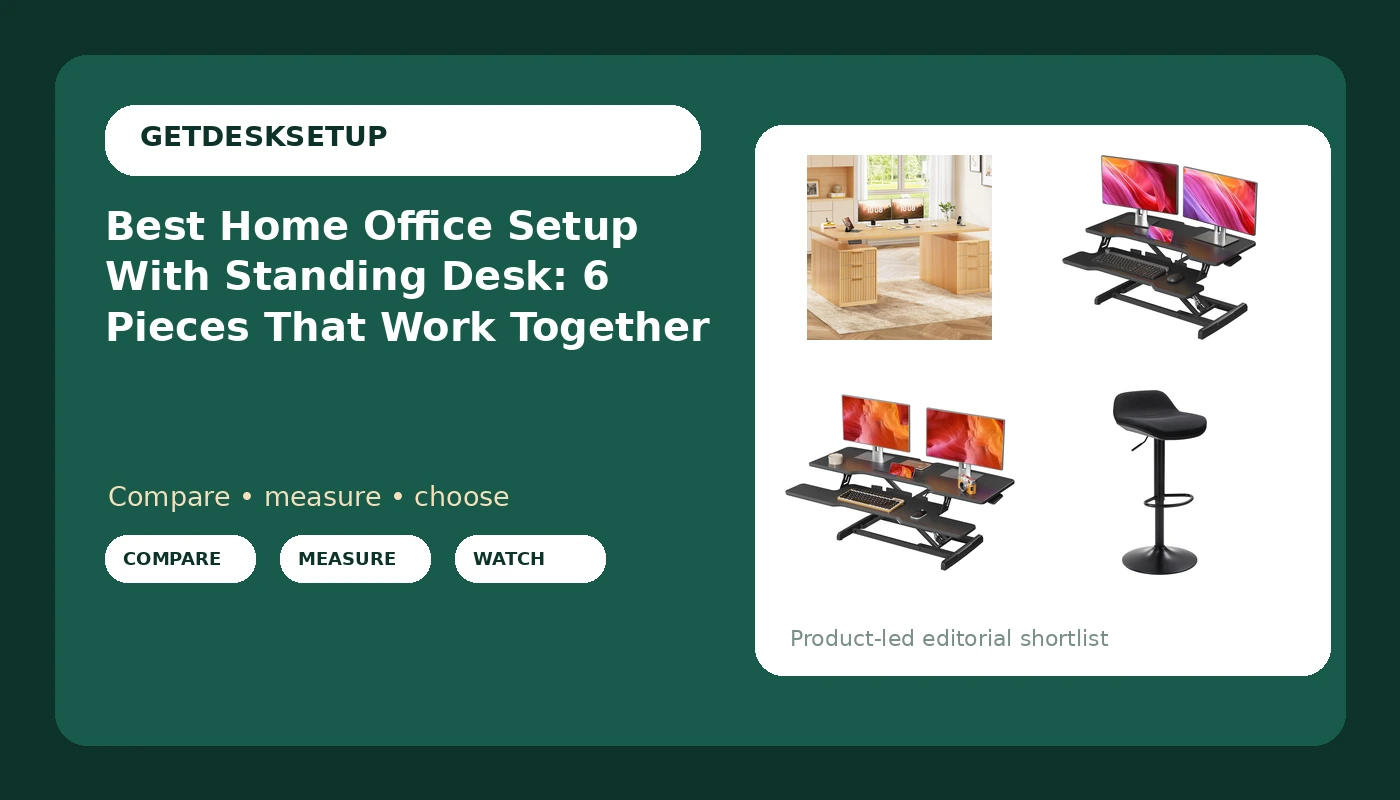
A home office setup with standing desk rarely fails because someone picked the wrong brand. It fails at the join between pieces. A frame that tops out below your standing elbow height. A chair whose seat depth was never measured, sitting at a desk that was never going to fit it. A monitor that ends up too close because a riser pushed the keyboard toward your chest. I have measured seat depths and desk height ranges in more than 300 home offices, and the pattern repeats often enough to be boring. The best home office setup with standing desk is not the most expensive stack of parts. It is the one where desk height, chair pairing, and monitor distance were settled before the first box arrived. This guide covers six products that fill the three formats people actually build with: a full electric desk, a converter that sits on a desk you already own, and a perch or saddle seat for the standing hours in between.
Related: How to measure seat depth before you buy an office chair
Quick answer
The SEDETA Electric Standing Desk with 6 Drawers, 55" Adjustable Stand up Desk with Storage, Fluted Computer Desks with Power Outlets for Home Office, Oak is the strongest fit for a room built from scratch because the adjustable frame, the drawer storage, and a built-in power outlet arrive as one footprint, which removes two separate cable planning problems before you start. Choose the 32" Standing Desk Converter, Quick Sit to Stand Desk Riser instead when you already own a desk you like and want to test whether standing hours actually stick before you commit to a full frame.
What is worth comparing in a home office setup with standing desk
Three formats cover almost every room, and they are not interchangeable. A full electric desk replaces what you own and gives you the widest height range. A converter keeps the desk you already have and adds a riser on top of it, which is the cheapest way to find out whether you will actually stand. A perch or saddle seat is the third piece, and it is the one most people skip until their feet start hurting at hour two.
Start with the desk height range, not the motor. A frame that reaches standing height for a tall user and a frame that tops out well below it look identical in listing photos. Then look at what the desk does at the top of its range, because that is where wobble shows up. If you plan to clamp a monitor arm to the back edge, a small sway at standing height becomes a visible screen bounce, and you will feel it in your neck before you see it in the panel. There is more on that in what to check at full standing height.
Chair pairing comes next. A standing desk does not fix a chair that is too deep or too tall, and a perch seat does not replace a full chair for a four-hour sit. Decide the ratio first: how many hours seated, how many standing. That number tells you whether you need a full task chair plus a perch stool, or one adjustable seat doing both jobs imperfectly.
Monitor distance changes the moment you add a riser. A converter raises the screen and pulls the keyboard toward your body, which shortens the distance from your eyes to the panel. Measure the distance you want first, then check whether the platform depth supports it.
Room layout and ventilation are the two constraints people notice last. A 55 inch desk needs the wall width plus clearance for the drawer stack to open, so measure the wall before the desk. A desk jammed against a radiator or into a closed corner traps warm air, and a laptop or monitor in that pocket runs hotter than it needs to.
Lighting layers matter more once you stand. A single ceiling fixture that was fine at seated height now throws your shadow across the keyboard. A desk lamp you can angle, plus a light behind the monitor, fixes most of it without rewiring anything.
Finally, cable planning and power. A desk with its own power outlet saves you running an extension cord across the floor, which is also the cord most likely to get kicked loose mid-call. Leave slack at every hinge, especially if you add a monitor arm later. A cable that pulls tight changes the monitor angle within a week.
Top pick
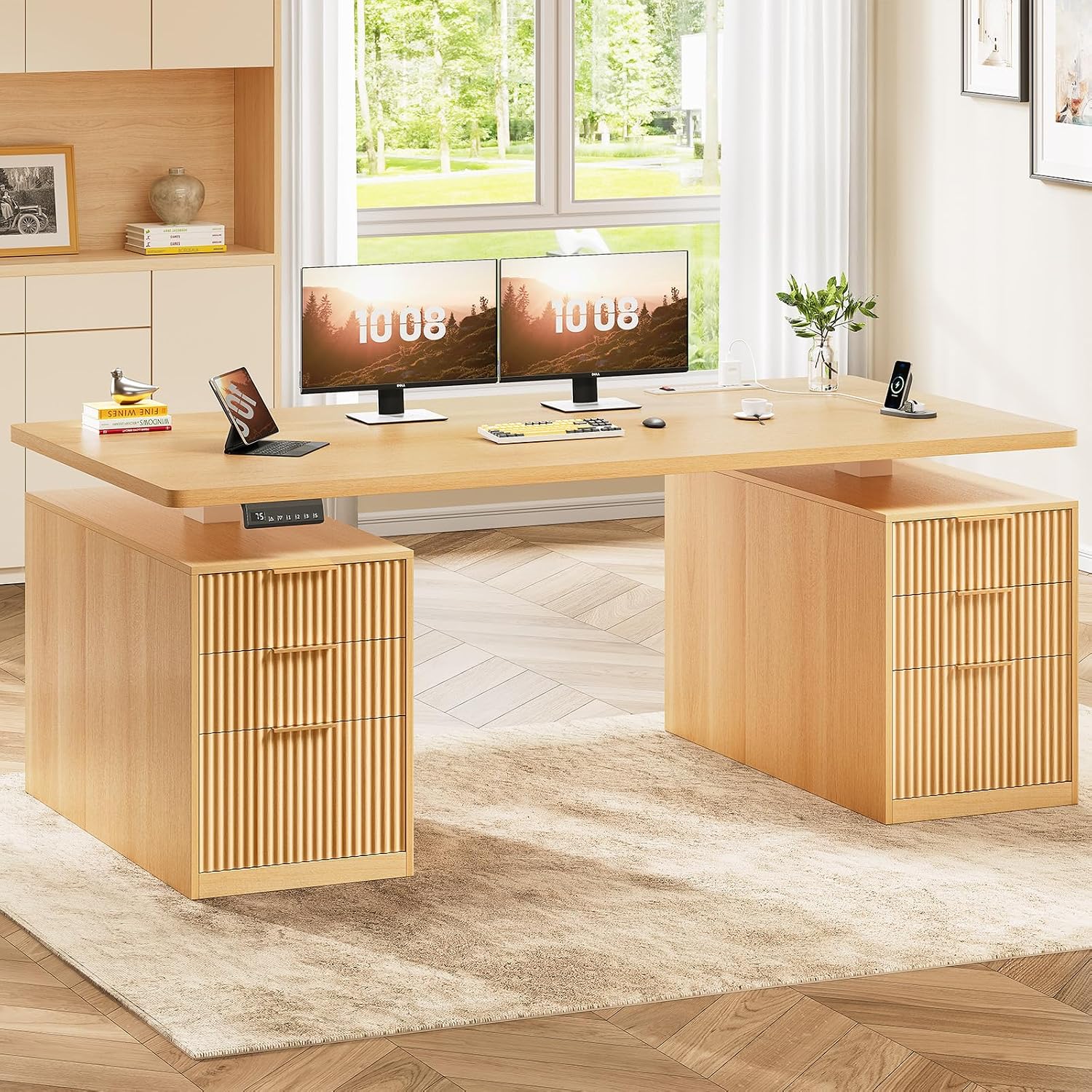
SEDETA Electric Standing Desk with 6 Drawers, 55" Adjustable Stand up Desk with Storage, Fluted Computer Desks with Power Outlets for Home Office, Oak
Check current Amazon price
An electric stand up desk in a 55 inch width with six drawers, a fluted front panel, and built-in power outlets. The drawer stack and outlet strip keep storage and charging inside the desk footprint instead of beside it, and oak is the colorway named in the listing.
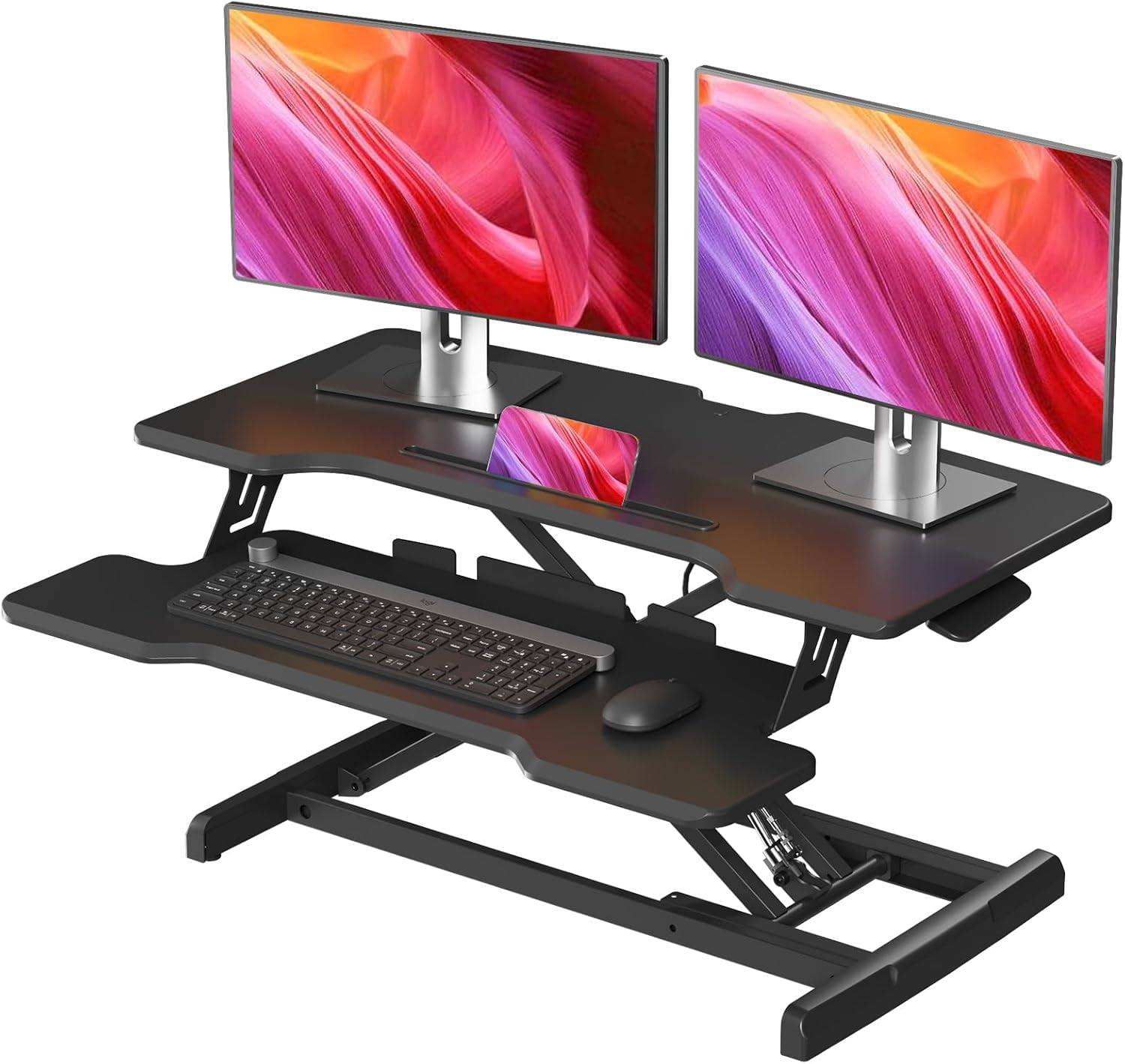
32" Standing Desk Converter, Quick Sit to Stand Desk Riser
Check current Amazon price
A 32 inch sit to stand riser that lifts a monitor and keyboard above an existing desk. The narrowest of the two converters here, so it suits a single display and a room where a full frame will not fit.
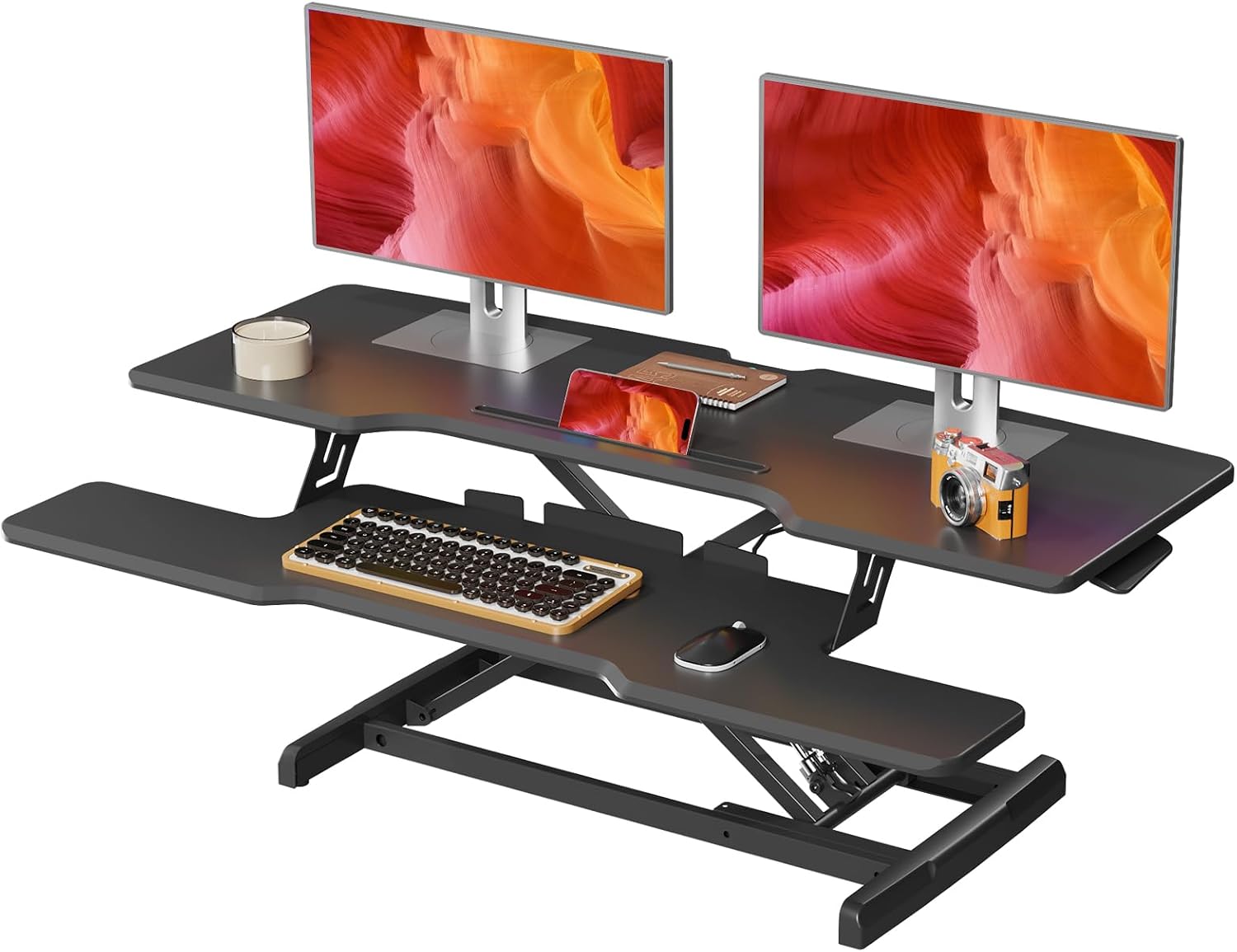
42" Standing Desk Converter, Quick Sit to Stand Desk Riser
Check current Amazon price
The wider version of the same quick sit to stand riser design, at 42 inches. The extra platform width is the difference maker for a dual monitor spread or a keyboard plus a wide mouse area.
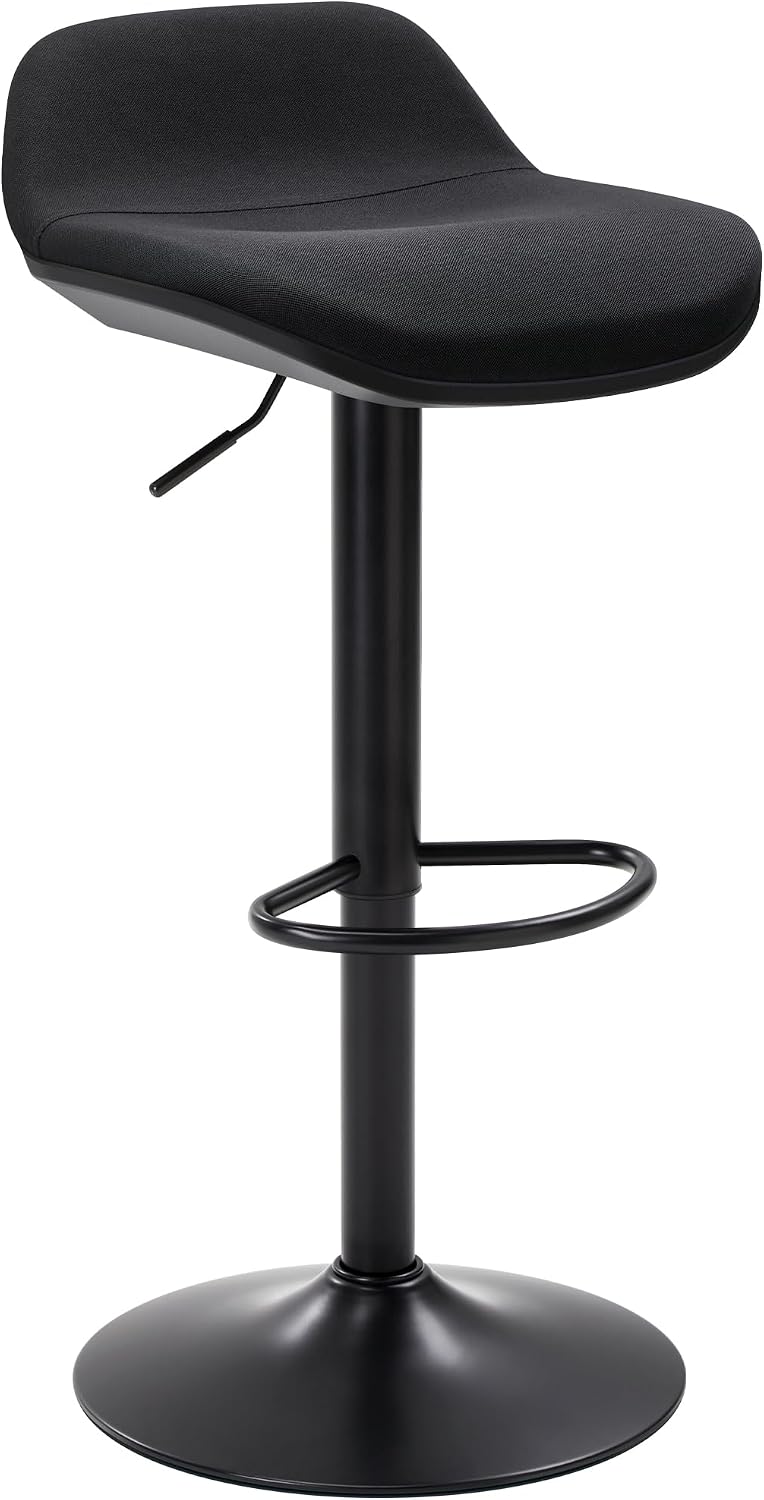
IWMH Standing Desk Stool, Adjustable Standing Desk Chair, Sit Stand Stool
Check current Amazon price
An adjustable sit stand stool with no backrest, built for short rests at standing height rather than all-day sitting. The simplest and least expensive way to add a perching option to a desk you already have.
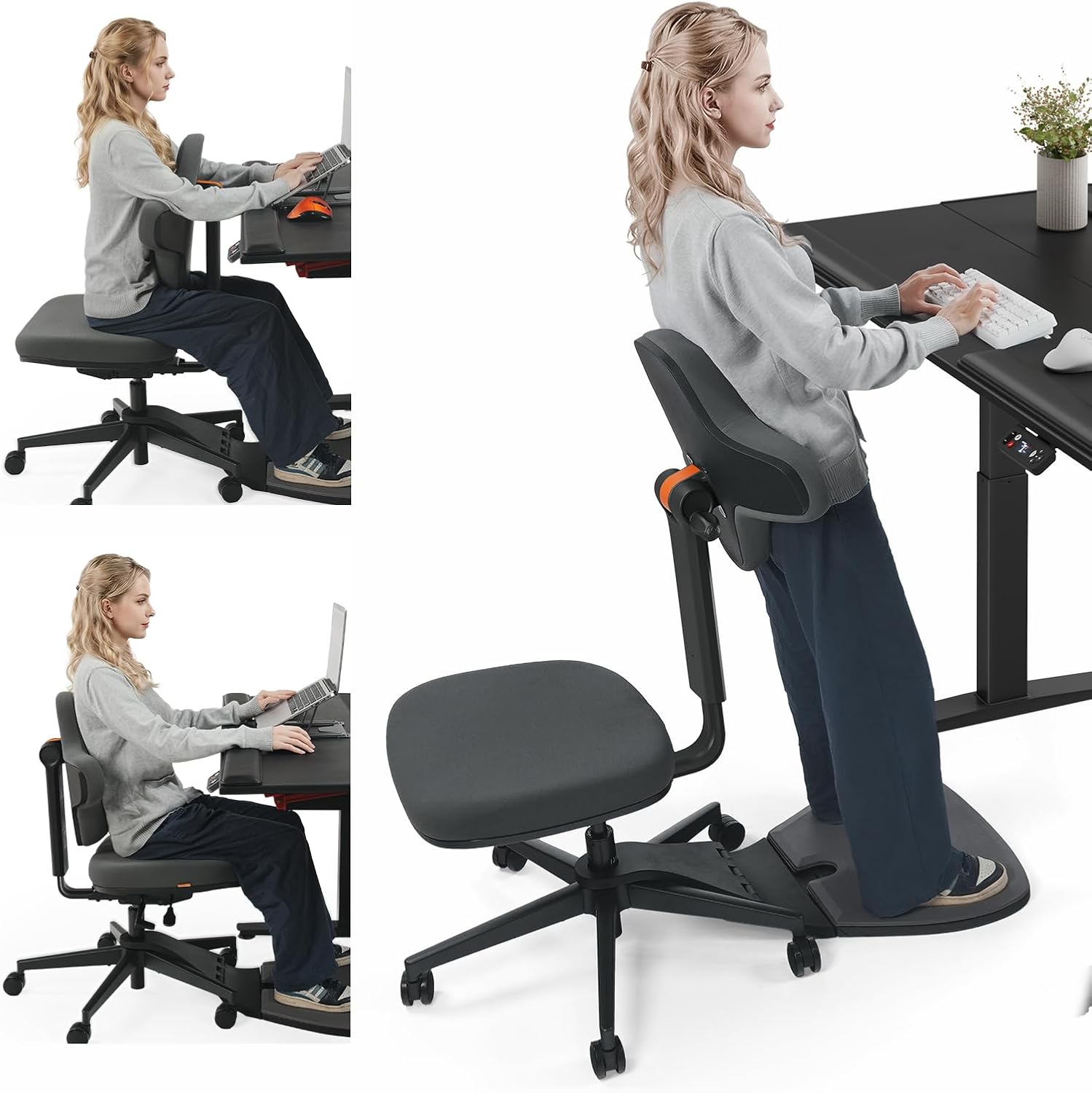
Newtral Standing Desk Chair, 6-in-1 Ergonomic Standing Mate Chair, Adjustable Sit Stand Lean Perch Saddle Stool with Flip Backrest, Dynamic Posture Support & Built-in Anti-Fatigue Design, MT-M-DG
Check current Amazon price
A 6-in-1 standing mate chair with a flip backrest, saddle style perch seating, and a built-in anti-fatigue design. The flip backrest is the feature that separates it from a plain stool: it gives you a lean point without a full chair back.
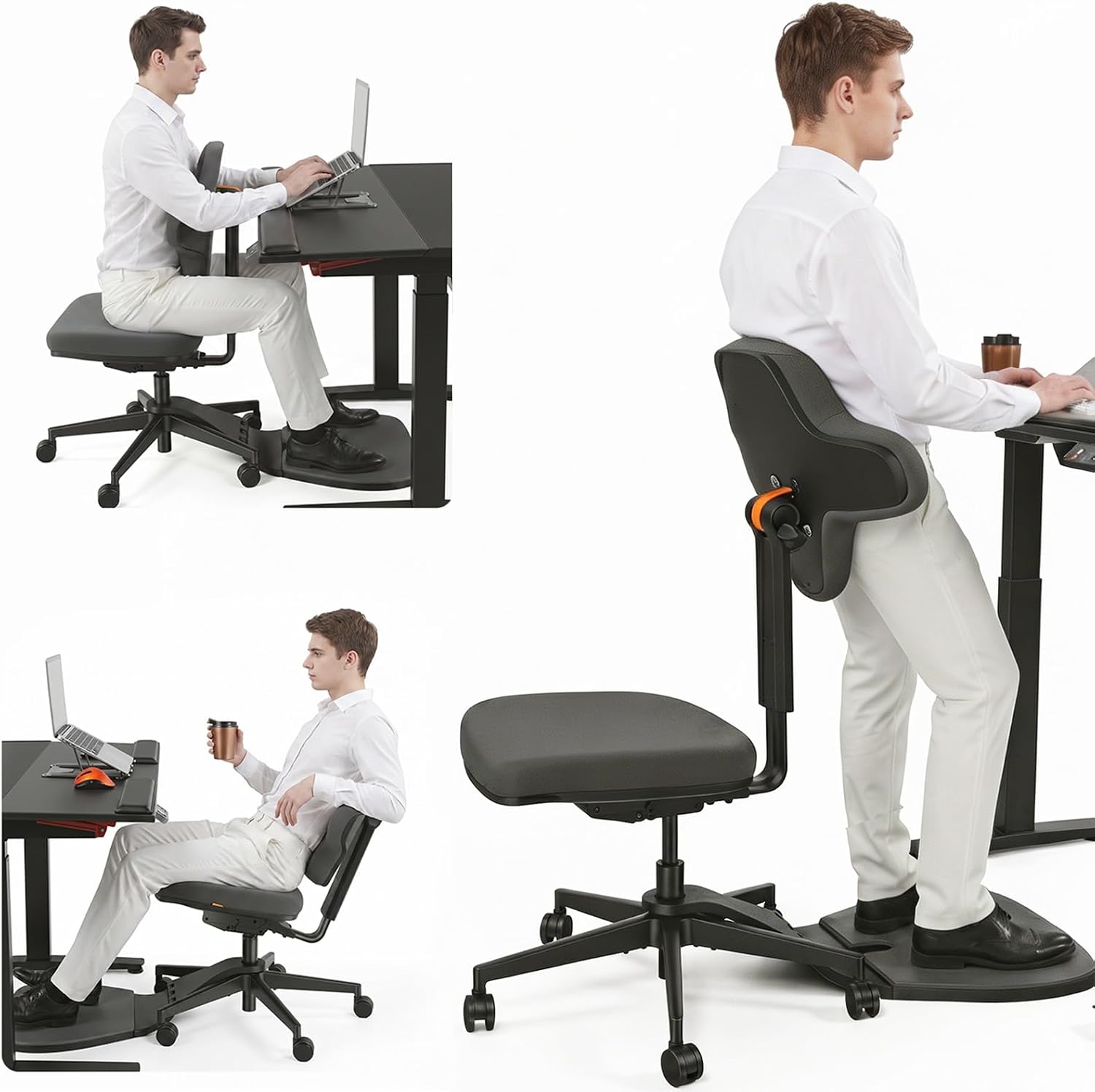
Newtral Standing Desk Chair, Standing Mate Chair for Sit-Stand, Ergonomic Leaning Perch Chair with Anti-Fatigue Mat, Standing Stool, Saddle Chair, Height Adjustable Home Office Posture Seat-MT-L-DG
Check current Amazon price
A leaning perch chair for sit-stand work, listed with an anti-fatigue mat, a height adjustable saddle seat, and a posture-seat brief. The mat pairing is the practical detail: it addresses the floor, not just the seat.
How these products were compared
This guide compares desk height range and what each product does at the top of it, footprint and room layout fit, storage and power outlet provision, chair pairing options for the standing hours, and assembly and cable planning. Product names, images, and retailer links are matched by ASIN so that every card points to the product shown.
None of the differences below are hands-on measurements. They are drawn from what the listings state and from what the pieces are designed to do, which is enough to separate a full desk from a converter from a perch seat, and usually enough to tell you which format your room can hold.
How to choose the right home office setup
Decide the format before you compare finishes. If you already own a desk you like and you are not sure you will stand, buy the converter. If you are starting from an empty wall, buy the frame. If you have a desk and you stand for short stretches, buy the seat and keep everything else.
Then measure three things in this order.
First, seated elbow height with your shoulders relaxed. That number, not your total height, decides the desk height you need when sitting, and it is why two people of the same height can need different settings.
Second, seat depth, from the back of the seat to the front edge. If you cannot say your seat depth in inches, you are guessing, and a perch chair will not fix a full chair that is already wrong. Sit so the front edge sits a couple of fingers behind your knee crease.
Third, the wall width you can give the desk, plus clearance. A 55 inch desk with a drawer stack needs the wall width and room for the drawers to open. That single measurement rules more products in and out than any specification.
A work from home setup with standing desk also has to survive a full week, so test the sequence in this order: clamp or assemble the frame first, set the height range, load the monitor, then tighten everything. Reversing that order is how desktops crack and how risers end up sitting crooked on a desk that was never level.
Treat the home workspace setup with standing desk as one system rather than three purchases. The seat height, the desk height, and the monitor distance interact. Raise the desk two inches and your monitor distance and elbow angle both change. If you add an arm later, plan the cable route at the same time; running cables through a monitor arm covers why slack at the hinge matters more than tidiness.
For a home office workstation with standing desk in a small room, the converter plus stool combination is usually the smarter build. It keeps your existing storage, costs less than a frame, and lets you find out whether you stand for twenty minutes a day or two hours before you spend on the version you actually need.
SEDETA Electric Standing Desk with 6 Drawers
This is the top pick because it collapses three purchases into one footprint. The adjustable stand up frame handles the height change, the six drawers replace a filing cabinet or a side table, and the built-in power outlets mean your charger and monitor cable terminate at the desk rather than at a wall socket across the room. In a home office, that last detail is what keeps the floor clear, and a clear floor is what keeps a standing habit alive.
The fluted front and the oak finish are cosmetic, and I will not pretend otherwise. What matters is the width: at 55 inches you have room for a display, a keyboard, and working space beside it, which is the minimum I would accept for a desk that also carries drawers.
The trade-off is commitment. This is a full desk, so it assumes you have the wall width and the willingness to assemble a frame. If your standing habit is still theoretical, start with a converter and buy the frame next year. If your desk has to double as storage because the room has no closet, this is the shape that solves it.
Alternatives to consider
The 32" Standing Desk Converter, Quick Sit to Stand Desk Riser is better suited to testing standing without replacing furniture, while the 42" Standing Desk Converter, Quick Sit to Stand Desk Riser is a stronger fit when the platform has to hold two displays or a wider keyboard and mouse spread. Same design, different footprint, and the width is the only reason to pay more.
The IWMH Standing Desk Stool, Adjustable Standing Desk Chair, Sit Stand Stool, the Newtral Standing Desk Chair, 6-in-1 Ergonomic Standing Mate Chair, Adjustable Sit Stand Lean Perch Saddle Stool with Flip Backrest, Dynamic Posture Support & Built-in Anti-Fatigue Design, MT-M-DG, and the Newtral Standing Desk Chair, Standing Mate Chair for Sit-Stand, Ergonomic Leaning Perch Chair with Anti-Fatigue Mat, Standing Stool, Saddle Chair, Height Adjustable Home Office Posture Seat-MT-L-DG cover the perch layer of the setup. The IWMH is the plain adjustable stool. The 6-in-1 adds a flip backrest for leaning. The leaning perch chair pairs a saddle seat with an anti-fatigue mat, which is the version to pick if you plan to stand on a hard floor for long stretches.
Day-to-day use and maintenance
Set your height range once and write the numbers down. Most electric desks let you store positions, and the reason to use them is not convenience: it is that a hand-set height drifts over a month, and a desk that is an inch off is a desk you stop raising.
Clean the desk surface with what the manufacturer specifies and keep liquids away from the outlet strip and the control box. Drawers collect paper dust and small debris; empty them once a quarter rather than letting the runners work harder than they should. On a converter, check the platform's travel and the locking mechanism monthly, because a riser that does not sit flat turns every keystroke into a wobble.
If you add a perch seat, treat the mat as part of the product. Anti-fatigue mats compress over time, and a flattened mat on a hard floor is the fastest route back to a chair. Ventilation is the other maintenance item people miss: leave a few inches behind the desk rather than pushing it flush to the wall, especially near a window that gets afternoon sun.
Buying checklist
- Measure seated elbow height, seat depth, and available wall width before comparing anything.
- Choose the format first: full frame, converter, or perch seat.
- Confirm the exact model includes the feature you need, such as a flip backrest, a mat, or built-in outlets.
- Check what the desk does at the top of its height range if you are tall or plan a monitor arm.
- Plan the cable route and the power outlet before assembly, not after.
- Verify the current retailer price, availability, and return terms.
Final recommendation
Choose the SEDETA Electric Standing Desk with 6 Drawers, 55" Adjustable Stand up Desk with Storage, Fluted Computer Desks with Power Outlets for Home Office, Oak when you are building a home office setup with standing desk from an empty wall and want storage, height adjustment, and power in one footprint. Choose the 32" Standing Desk Converter, Quick Sit to Stand Desk Riser when you already own a desk and want to test the habit before you spend on a frame, sizing up to the 42 inch version if your setup runs wide.
The two Newtral perch chairs and the IWMH stool overlap heavily, so pick on the feature you can actually confirm: a flip backrest, an included anti-fatigue mat, or neither. Where the verified listings do not support a meaningful distinction between two products, do not invent one. Measure first, buy the format your room allows, and add the perch seat once you know how long you really stand.